
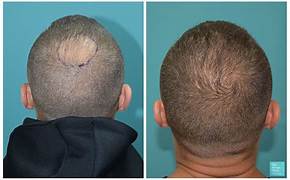
Hair transplant surgery is a common cosmetic procedure for those suffering from hair loss. Like any surgical procedure, there is a post-operative recovery period, during which patients will experience some side effects. Prospective patients need to understand what to expect during the recovery process, including the immediate post-operative period, follow-up appointments, and long-term results.
Proper care during the recovery period is essential for optimal results, and it is important to manage expectations throughout the process. In this article, we will discuss the recovery process after hair transplant surgery to help patients plan accordingly.
The Process of Hair Transplant Surgery
Hair transplant surgery is a cosmetic procedure that involves removing hair follicles from one area of the scalp, known as the “donor area,” and transplanting them to the balding or thinning area, known as the “recipient area.” The two most common methods of hair transplant surgery are Follicular Unit Transplantation (FUT) and Follicular Unit Excision (FUE).
FUT involves removing a strip of skin from the donor area, while FUE involves removing individual hair follicles one by one. Both methods involve the implantation of the hair follicles into tiny incisions made in the recipient area. The procedure typically takes several hours and is performed under local anesthesia. Patients can generally return home on the same day as the surgery.
Side Effects and Recovery After Hair Transplant Surgery
After undergoing hair transplant surgery, patients can expect to experience side effects such as swelling, redness, and mild pain or discomfort. Crusting or scabbing may also occur around the transplanted area. These side effects typically resolve within a few days to a week after surgery. In some cases, patients may experience shock loss, which is a temporary shedding of hair surrounding the transplanted area.
However, it should start growing new hair in a few months. During the recovery period, patients should avoid strenuous activity and should follow their surgeon’s post-operative instructions, such as keeping the transplanted area clean and avoiding harsh shampoo.
Follow-up appointments will be necessary to monitor progress and ensure optimal healing. Patients should be patient and manage their expectations during the recovery period, as final results may not be visible for up to one-year post-surgery.
The First Few Days Post-Surgery
The first few days following hair transplant surgery can be uncomfortable, but with proper care and attention, the recovery process can be relatively smooth. Patients are advised to rest and avoid strenuous activity for the first few days after surgery to allow the scalp to heal. They may experience swelling, redness, and minor pain or discomfort around the transplanted area.
It is crucial to follow the surgeon’s post-operative instructions regarding medications, cleaning, and dressing the scalp to prevent infections. Patients are advised to avoid exposure to direct sunlight or extreme heat and must refrain from using harsh shampoos or hair products during the recovery period.
With proper care, these side effects should start to improve within a few days, and most patients return to their normal routine within a week after surgery.
Follow-Up Appointments and Post-Operative Care
Follow-up appointments with the surgeon after hair transplant surgery are essential to monitor progress and ensure proper healing. The surgeon may remove any stitches or staples around 10 days post-surgery, and further follow-up appointments will be scheduled as needed. Post-operative care is crucial to avoid infections and promote proper healing.
Patients are advised to continue following the surgeon’s instructions regarding medication, cleaning, and dressing the scalp. They should avoid scratching or rubbing the transplanted area and must refrain from wearing any headwear that may be tight-fitting or cause irritation.
Patients should be aware that complete hair growth may take several months to a year and should manage their expectations accordingly. Proper post-operative care and follow-up appointments are crucial for a successful hair transplant surgery outcome.
Long-Term Results and Final Thoughts
Patients who undergo hair transplant surgery can expect to see new hair growth within a few months to a year, depending on the individual’s healing process and the extent of the surgery. Patients should manage their expectations and understand that hair transplant surgery is not a miracle cure for baldness and may require further sessions to achieve the desired outcome.
The long-term results of hair transplant surgery largely depend on the surgeon’s skill and technique, as well as the patient’s proper follow-up care and post-operative management. However, for many patients, the benefits of hair transplant surgery can be substantial, including increased confidence, improved self-esteem, and a renewed sense of youthfulness.
It is important to discuss all aspects of the surgery and recovery process with the surgeon and carefully weigh the potential risks and benefits before deciding to undergo the procedure.
Conclusion:
In conclusion, recovering from hair transplant surgery is a gradual process that requires patience and diligence. In the first few days after the procedure, patients may experience mild discomfort and swelling, but these symptoms typically subside within a week or two. While full results may not be visible for several months, most patients are pleased with the improvement in their hairline and overall appearance.