
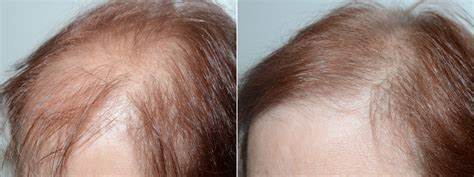
Hey there, girls! In this article, we’ll guide you through a post hair transplant care guide specifically designed for women. So, get ready to nurture your new hair and let it flourish!
Hair is not only decoration, but also protection of the head. In this article, we will tell you how to properly care for hair after a transplant so that it quickly takes root and remains healthy and beautiful.
Hair transplantation is a serious operation that requires care and meticulous care. Hair transplanted to a new location needs special care in order to take root and begin to grow. Insufficient care can lead to slow hair growth or even hair loss.
How quickly do transplanted hairs take root?
Many people who decide to have this procedure want to know how quickly the transplanted hair takes root and when they can enjoy the result.
Usually, the first signs of hair growth can be seen already two weeks after the procedure. This is because the transplanted hair goes through a telogen (rest) phase, after which it begins to grow.
The full effect of a hair transplant can be assessed 6-12 months after the procedure. During this period, new hair continues to grow and strengthen, and the healing of the scalp and the donor area is completed.
However, it must be remembered that each organism is individual, and the time of engraftment of transplanted hair may be different.
How to wash your hair after hair transplantation?
After hair transplantation, it is necessary to wash your hair carefully, avoiding strong movements and rubbing of the scalp. It is recommended to use mild sulfate-free shampoos, which can damage the scalp and transplanted hair.
What not to eat after a hair transplant?
It is especially crucial to manage your diet after a hair transplant because certain foods can have a detrimental impact on hair development and health. The following foods should be avoided:
- Sweets and carbonated drinks :Excess sugar consumption can trigger an insulin response, resulting in a decrease in nutrients required for hair development.
- Alcohol :Drinking alcohol can harm hair health by lowering the levels of vitamins and minerals required for hair growth.
- Salty food : Excessive salt intake can decrease fluid levels in the body, which can lead to dry hair and loss of elasticity.
Instead, eat meals high in nutrients including vitamins, minerals, and proteins to boost hair health and increase hair growth.
Follow the Specialist’s Instructions: Your hair transplant specialist is your guiding light throughout the post-transplant journey.
It’s important to follow these instructions diligently. They may include guidelines on washing your hair, avoiding certain activities, and taking prescribed medications. By following their advice, you’ll give your hair the best chance to thrive.
Protect Your Scalp from Sun Exposure:
Your scalp might be more sensitive to sunlight after a hair transplant. It’s essential to protect it from excessive sun exposure to prevent sunburn and damage. Wear a wide-brimmed hat or use a sun-protective spray or cream specifically designed for the scalp. Shielding your scalp from the sun will help promote proper healing and protect your new hair.
Avoid Tight Hairstyles and Hair Accessories:
Opt for loose hairstyles that allow your hair to breathe and grow naturally. Avoid using clips, rubber bands, or any hair accessories that can put pressure on your scalp.
Be Patient and Avoid Touching:
Avoid scratching your scalp or picking at scabs, as it can interfere with the healing process. Let your hair grow and settle in its new home without any unnecessary disturbances.
Avoid Chemical Treatments and Harsh Styling Products:
To allow your new hair to settle and grow, it’s best to avoid chemical treatments, such as colouring or perming, for a while. Additionally, refrain from using harsh styling products that contain alcohol or strong chemicals, as they can damage your hair and scalp.
Follow Up with Your Specialist:
Regular follow-up appointments with your hair transplant specialist are crucial to monitor the progress of your hair growth and address any concerns you may have. These appointments allow your specialist to evaluate the success of the transplant and make any necessary adjustments or recommendations.
Conclusion:
Congratulations, girls! You have successfully undergone a hair transplant, and now it’s time to nurture your new hair. By following this post hair transplant care guide, including following your specialist’s instructions, gently washing your hair, protecting your scalp from the sun, avoiding tight hairstyles and hair accessories, being patient, maintaining a healthy diet and hydration routine, avoiding chemical treatments and harsh styling products, and scheduling follow-up appointments, you are setting yourself up for the best possible results.
Remember, patience is key during the post-transplant phase. Your new hair needs time to grow and settle. Get ready to enjoy your beautiful, healthy hair and rock any hairstyle with confidence!