
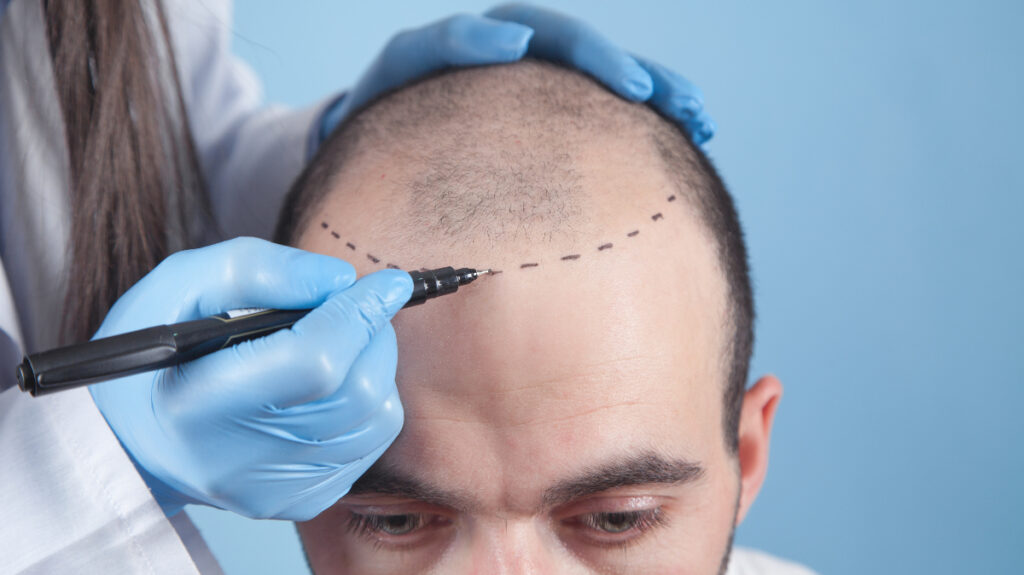
Men and women alike frequently deal with the problem of hair loss. For some, this can have a significant impact on self-esteem and confidence. Hair transplant surgery has become an increasingly popular solution for hair loss, but it’s important to consider several factors before deciding to undergo the procedure.
In this article, we will discuss five important things to consider before getting a hair transplant, including reasons for getting a hair transplant, types of hair transplant methods, cost, recovery time, potential risks and complications, and finding the right doctor and clinic.
Reasons for Getting a Hair Transplant
Before considering a hair transplant, it’s important to understand why you are seeking the procedure. Hair transplants are a permanent solution to hair loss but may not be appropriate for everyone. If hair loss is genetic, a hair transplant may be an effective way to combat it; however, if hair loss is due to other medical reasons, such as a hormonal imbalance or vitamin deficiency, then these issues should first be addressed before opting for a hair transplant.
Other reasons for getting a hair transplant include restoring a receding hairline or bald patch, enhancing facial features, or boosting confidence and self-esteem. It’s important to set realistic expectations for the outcome of the procedure and to consult with a qualified professional before making a decision.
Types of Hair Transplant Methods
Before getting a hair transplant, there are some important things to consider. First, make sure you are a good candidate for the procedure. This means having enough healthy hair for the transplant and being in good overall health. A complete head of hair may not always be the result of hair transplantation, so it’s crucial to have reasonable expectations about the outcome.
Second, understand the different types of hair transplant methods. These two procedures are the most widely used: follicular unit extraction (FUE) and follicular unit transplantation (FUT). In FUT, a strip of hair from a donor area is removed and transplanted to the balding area. Individual hair follicles from the donor area are removed during FUE and then transplanted to the balding area.
Other factors to consider include the cost of the procedure, the qualifications of the surgeon, and the recovery process. Understanding these factors and doing thorough research can help you make an informed decision about whether a hair transplant is right for you.
Cost and Recovery Time
Another important factor to consider before getting a hair transplant is the cost. Hair transplant procedures can vary widely in price, depending on the type of procedure, the extent of the balding area, and the location of the clinic. It’s important to do research and get a clear understanding of the costs involved, including any possible hidden fees.
Recovery time is also a key consideration. While hair transplant procedures are generally considered safe and relatively straightforward, there is still some downtime required for proper healing. The amount of recovery time needed will depend on the type of procedure and the extent of the transplant.
It’s important to be prepared for the recovery process, which may involve some discomfort and a need to avoid certain activities for some time. Understanding these factors and planning accordingly can help ensure a successful procedure and a smooth recovery.
Potential Risks and Complications
A hair transplant is a surgical procedure that involves moving hair follicles from one part of the body (the donor site) to the bald or balding area (the recipient site). Before getting a hair transplant, there are several factors to consider. Firstly, it’s important to understand the potential risks and complications, which include bleeding, infections, scarring, and poor hair growth.
Secondly, you need to have realistic expectations about the outcome of the procedure and the amount of hair you can transplant. Thirdly, you should be in good overall health and not have any underlying medical conditions that may complicate the procedure. Fourthly, you should do your research and choose a reputable and experienced hair transplant surgeon. Lastly, you need to be willing to follow strict aftercare instructions and take time off work for recovery.
Finding the Right Doctor and Clinic
Finding the right hair transplant doctor and clinic is crucial to achieving successful results. There are several factors to consider when choosing a hair transplant surgeon, such as their experience, qualifications, and reputation.
Start by conducting thorough research on potential doctors and clinics by reading reviews, checking their credentials and certifications, and reviewing before-and-after photos of their patients. You can also ask for recommendations from friends or family members who have undergone hair transplant procedures.
Additionally, consider the technology and techniques used by the surgeon and the clinic. This can include using microscopes for follicular unit extraction (FUE), ensuring proper hygiene standards, and offering personalized treatment plans. By carefully vetting hair transplant doctors and clinics, you can increase your chances of achieving desired results while minimizing potential complications.
Conclusion:
Before getting a hair transplant, it is crucial to consider several factors to ensure you make an informed decision. From the potential risks and complications to finding the right doctor and clinic, taking the time to research and understand the procedure can help increase your chances of achieving successful results.