
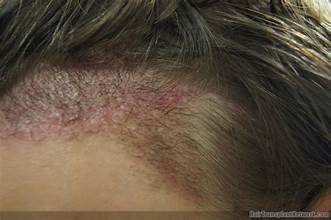
Folliculitis is an infection of the hair follicles, which can cause inflammation and irritation of the scalp. It is a common skin condition that can affect anyone but is especially common in people who have recently undergone a hair transplant. Folliculitis can cause scarring, which can interfere with the results of a hair transplant if it is not treated properly.
In this article, we will discuss how folliculitis can affect the results of a hair transplant and what can be done to minimize its effects.
Causes of Folliculitis
Folliculitis is an inflammation of the hair follicles that can occur anywhere on the body. It is caused by bacteria such as Staphylococcus aureus and Pseudomonas aeruginosa, viruses, fungi, or irritation from tight clothing. It can cause redness, swelling, and itching around the affected area, as well as pus-filled bumps.
Folliculitis can affect the results of a hair transplant. If the folliculitis is severe, the hair follicles may be damaged and unable to take in the transplanted hair. In addition, inflamed follicles can lead to infection and scarring, which can impede the normal growth of the hair.
To avoid folliculitis affecting the results of a hair transplant, it is important to take good care of the scalp before and after the procedure. This includes using a mild shampoo, avoiding tight clothing, and keeping the area clean and dry. If folliculitis does occur, it is important to seek medical treatment to reduce the risk of further complications.
Symptoms of Folliculitis
Folliculitis is a common skin condition that can affect hair transplant results. It is caused by inflammation of the hair follicles, which can be caused by bacterial, fungal, or yeast infections. Symptoms of folliculitis include redness, itching, small bumps, and/or pus-filled bumps on the scalp, face, neck, chest, and/or back. The bumps can be painful and often have a white or yellow center.
When folliculitis affects a hair transplant, it can cause the transplanted hair to become infected and fall out, as well as cause scarring. This can lead to a decrease in the success of the hair transplant, as the hair may not regrow as expected. Additionally, folliculitis can cause the transplanted hair to appear patchy or clumped together, and can even lead to infection of the scalp.
To prevent folliculitis from affecting hair transplant results, it is important to keep the area clean and dry. Do not touch the affected area with unwashed hands, and avoid the use of harsh soaps, shampoos, and conditioners. Additionally, do not share towels, hats, or other items that may have come in contact with the affected area.
If folliculitis does occur, it is important to seek medical attention. Antibiotics may be prescribed to treat the infection, and in some cases, topical or oral steroids may be used to reduce inflammation and itching. Keep the area dry and clean as well to prevent additional infection.
Overall, it is important to take measures to prevent folliculitis from affecting hair transplant results. If folliculitis does occur, it is important to seek medical attention to treat the infection and reduce the risk of scarring and other complications.
How Folliculitis Affects Hair Transplant Results
Folliculitis is an infection of the hair follicles that can cause inflammation and scarring to the scalp. If left untreated, it can significantly affect the results of hair transplants, as the hair follicles may become compromised and fail to properly take hold. In some cases, the infection can spread to the areas surrounding the transplant site, making it difficult for the new hair to grow.
To ensure the best possible outcome, folliculitis must be treated before the transplant procedure. This involves using topical and/or oral antibiotics to reduce the infection. Once the folliculitis has been successfully treated, the transplanted hair will have a better chance of taking root and growing properly.
In cases where folliculitis is present during the hair transplant, the surgeon may opt to delay the procedure and treat the infection first. If this is done, it is important to monitor the progress of the infection closely, as it can easily spread and cause further damage.
Additionally, it is essential to follow the surgeon’s instructions and use the prescribed medications as directed. With proper treatment, folliculitis should not have a major impact on the results of the hair transplant.
Treatment and Prevention of Folliculitis
Folliculitis is an infection of the hair follicles, most often caused by bacteria or fungus. It may result in a rash, itching, and redness. If left untreated, folliculitis can cause permanent hair loss and scarring. If you are considering a hair transplant, you should speak to your doctor about your risk of developing folliculitis before you proceed.
Fortunately, there are steps you can take to reduce your risk of folliculitis. Be sure to practice good hygiene, especially when handling transplanted hair. Wash your hands often and avoid touching the transplant area with dirty hands.
Also, avoid any harsh or irritating products on the scalp, and use an antifungal shampoo if needed. Additionally, avoid activities that may cause trauma to the scalp, such as intense physical activity or tight clothing that rubs against the scalp.
If you do develop folliculitis, your doctor may prescribe an antibiotic or antifungal medication to treat the infection. Additionally, they may recommend keeping the affected area clean and dry and using a warm compress to reduce inflammation. In some cases, they may also advise removing the transplanted hair to prevent the infection from spreading.
Overall, folliculitis can affect hair transplant results, but with proper care and prevention, you can reduce your risk and ensure that your transplant is successful.
Conclusion:
Folliculitis does not directly affect the results of hair transplants but can increase the risk of infection, leading to poorer results.