
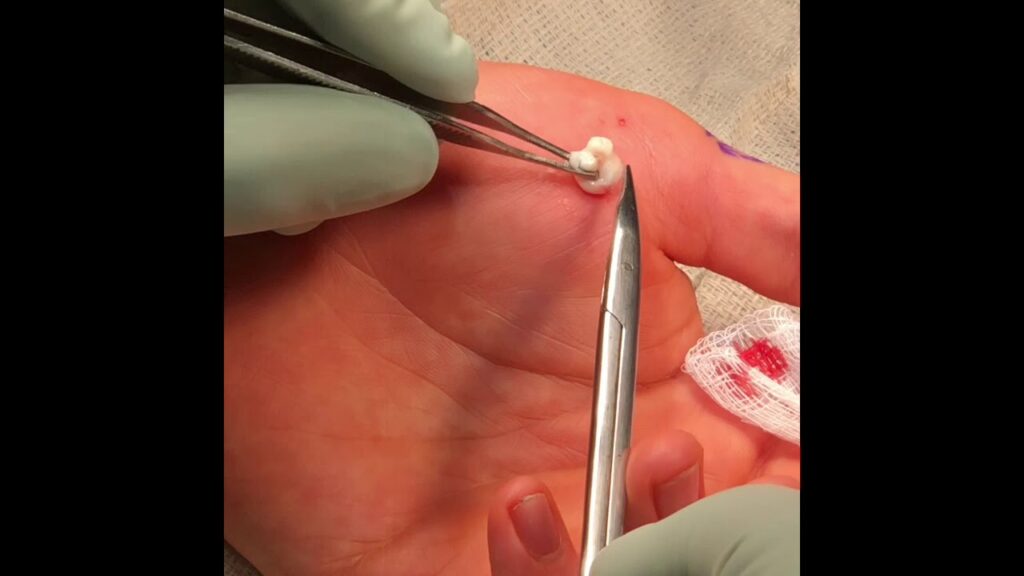
Cyst removal treatment involves the surgical removal of cysts from various parts of the body. Cysts are fluid-filled sacs or pockets that can develop in different tissues and organs. While most cysts are benign (non-cancerous) and do not cause any symptoms, some may grow in size, become painful, or interfere with normal bodily functions.
In this article, we will explore different surgical techniques used for cyst removal and discuss the benefits, risks, and recovery involved in each method. It’s important to note that cyst removal treatment should only be performed by a qualified healthcare professional after a thorough evaluation and diagnosis.
1. Excisional Biopsy:
One common surgical technique used for cyst removal is called an excisional biopsy. This method involves removing the entire cyst along with the surrounding tissues. Before the procedure, the area is numbed with local anesthesia, or, in some cases, general anesthesia might be used.
The healthcare professional will make an incision near the cyst and carefully dissect it. During the procedure, the cyst may be sent to a laboratory for examination to confirm the diagnosis.
Excisional biopsy is known for its effectiveness in removing cysts completely and preventing recurrence. However, this method may result in a larger scar than other techniques. The cyst’s size and location will determine the scar’s length and visibility. Proper wound care, including keeping the incision site clean and protecting it from infection, is essential for a successful recovery.
2. Incision and Drainage:
In some cases, cyst removal can be achieved through a technique known as incision and drainage. This method is typically used for cysts that are infected or filled with pus. During the procedure, the healthcare professional makes a small incision on the cyst to allow the fluid to drain out. Local anesthesia is usually administered to numb the area before the incision is made.
Incision and drainage is a relatively simple procedure that quickly relieves pain and discomfort associated with an infected cyst. However, this technique does not remove the cyst wall, and there is a higher chance of recurrence compared to excisional biopsy. The wound left from the incision may require regular dressing changes to promote healing and prevent infection.
3. Laser Ablation:
Laser ablation is a minimally invasive surgical technique that uses laser energy to destroy the cyst. This procedure involves making a small incision or puncture over the cyst and inserting a thin laser fiber or probe. The laser energy is then used to heat and destroy the cyst tissue. Laser ablation is often preferred for cysts that are small in size or located in delicate areas such as the face or genitals.
Laser ablation offers several advantages, including minimal scarring, reduced bleeding, and less postoperative pain. The recovery time is usually shorter compared to traditional surgical methods. However, this technique may not be suitable for all types of cysts, and the healthcare professional will determine if laser ablation is the most appropriate option for cyst removal.
4. Laparoscopy:
Laparoscopy is a surgical technique used for cyst removal in the abdominal or pelvic region. This minimally invasive procedure involves making small incisions in the abdomen and inserting a laparoscope (a thin, flexible tube with a camera) and other specialized surgical instruments. The surgeon is guided by the images displayed on a monitor to locate and remove the cyst.
Laparoscopy offers several advantages over traditional open surgery, including smaller incisions, reduced pain, shorter hospital stays, and faster recovery. However, this technique may not be suitable for all cysts, and the healthcare professional will assess the patient’s specific condition before recommending laparoscopy.
5. Endoscopy:
Endoscopy is a minimally invasive surgical technique used for cyst removal when the cyst is located in a hollow organ or duct, such as the sinuses, bladder, or bile ducts. During the procedure, a flexible or rigid endoscope (a thin tube with a light and camera) is inserted through a natural opening or small incision to visualize and access the cyst. Surgical instruments can then be passed through the endoscope to remove the cyst.
Endoscopy offers several benefits, including minimal scarring, reduced risk of infection, and shorter recovery time. However, not all cysts can be removed using this technique, and the healthcare professional will determine if endoscopy is the most appropriate option.
Recovery after cyst removal treatment varies depending on the surgical technique used, the size and location of the cyst, and the individual’s overall health. Generally, patients are advised to take it easy for a few days, avoid strenuous activities, and follow the specific postoperative care instructions provided by their healthcare professional. Pain medication, antibiotics, and regular follow-up appointments may be recommended to ensure proper healing and monitor for any complications.
Why Choose Dr. Zain for Cyst Removal Treatment?
When considering cyst removal treatment, it is crucial to choose a skilled and experienced healthcare professional like Dr. Zain. With expertise in cyst removal techniques and a track record of successful outcomes, Dr. Zain provides the highest quality of care. Patients can trust Dr. Zain’s knowledge and precision in performing procedures such as excisional biopsy, incision and drainage, laser ablation, laparoscopy, and endoscopy.
Dr. Zain’s compassionate approach ensures that patients feel comfortable and well-informed throughout the treatment process. By choosing Dr. Zain, patients can have confidence in receiving exceptional care and achieving optimal results in cyst removal treatment.
Conclusion:
Cyst removal treatment involves various surgical techniques depending on the size, location, and nature of the cyst. Excisional biopsy, incision and drainage, laser ablation, laparoscopy, and endoscopy are some of the common methods used for cyst removal. Each technique has its benefits, risks, and recovery process. It is important to consult with a healthcare professional to determine the most appropriate surgical technique for individual cases of cyst removal treatment.