
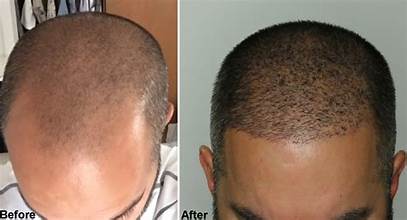
Hair loss can affect one’s self-confidence and self-esteem, leading many individuals to seek hair transplant procedures to restore a full head of hair. In Pakistan, the demand for hair transplant surgeries has been increasing steadily, as more people discover the transformative effects of this procedure. However, there is a common question among potential patients: Can hair be transplanted from the body to the head?
In this comprehensive guide, we will explore the process of hair transplantation in Pakistan, its effectiveness, and if hair can indeed be transplanted from the body to the head.
Hair Transplantation in Pakistan
Pakistan has emerged as a popular destination for hair transplants due to its skilled surgeons, affordable prices, and modern medical facilities. With a wide array of hair transplant clinics and experienced professionals, patients can expect exceptional service and results.
The most commonly used hair transplant technique in Pakistan is Follicular Unit Extraction (FUE). This minimally invasive procedure involves harvesting individual hair follicles from the donor site and transplanting them to the recipient site. FUE is becoming more and more popular because it leaves little scars.
Is it Possible to Transplant Hair from the Body to the Head?
Hair transplant procedures typically involve transplanting hair from the same individual, either from the back or sides of the scalp, known as the donor area, and transplanting it to the areas experiencing hair loss, also called the recipient area. However, it is also possible to transplant hair from other parts of the body to the head.
Body hair transplantation (BHT) is a technique that involves harvesting hair from various areas of the body, such as the chest, back, beard, or abdomen, and transplanting it to the scalp. BHT is considered a viable option for patients who have insufficient donor hair on their scalps.
While the concept of using body hair for transplantation may seem promising, it is essential to note that not all body hair is suitable for transplanting to the scalp. The characteristics of body hair differ from scalp hair, making it less ideal for transplantation.
Body hair tends to have a shorter growth cycle, a different texture, and may not match the natural growth pattern of scalp hair. Transplanting body hair to the scalp requires careful consideration and skill from an experienced hair transplant surgeon.
The use of body hair for transplantation is typically a last resort for individuals with limited donor hair on their scalps. It is crucial to have a thorough consultation with a qualified hair transplant surgeon who can assess the feasibility of using body hair for your specific case.
Advancements in Hair Transplantation Techniques
With advancements in hair transplantation techniques, surgeons can now perform more precise and efficient procedures, leading to better results. These advances include:
1. FUE with Micrografts:
This technique allows for the precise extraction and transplantation of smaller hair grafts, resulting in a more natural-looking hairline and improved density.
2. Robotic Hair Transplantation:
Robotic systems have been introduced to assist surgeons in the extraction and transplantation process. These systems use advanced imaging and robotic technology to enhance the accuracy and efficiency of the procedure.
3. Platelet-Rich Plasma (PRP) Therapy:
PRP therapy involves injecting a patient’s plasma, rich in growth factors, into the scalp to promote hair growth. This technique is often used in conjunction with hair transplant procedures to accelerate the healing process and improve hair density.
4. Stem Cell Therapy:
Stem cell therapy aims to regenerate and rejuvenate hair follicles by injecting stem cells into the scalp. This technique holds promise for future hair transplant advancements, as it may promote hair growth and provide long-term solutions for hair loss.
Choosing the Right Hair Transplant Clinic in Pakistan
When considering a hair transplant in Pakistan, it is essential to choose a reputable and experienced clinic. Here are some factors to consider:
1. Surgeon’s Expertise:
Ensure that the surgeon conducting the procedure is experienced, skilled, and certified in hair transplantation techniques. Before deciding, check their credentials, background, and patient endorsements.
2. Clinic Facilities and Technology:
Look for clinics with well-equipped facilities and the latest hair transplantation technology. This ensures that you receive optimal care and achieve the best possible results.
3. Patient Reviews and Testimonials:
Read reviews and testimonials from previous patients to get an understanding of their experience and satisfaction with the clinic and surgeon.
4. Cost and Financing Options:
Hair transplant costs in Pakistan are relatively affordable compared to other countries. However, it is still crucial to inquire about the complete cost of the procedure and any potential financing options available.
5. Consultation:
Schedule a consultation with the chosen clinic to discuss your specific needs, expectations, and any concerns you may have. This consultation will provide an opportunity to assess the surgeon’s expertise and determine if the clinic is the right fit for you.
Conclusion:
Hair transplant procedures in Pakistan have gained popularity due to their effectiveness, affordability, and skilled surgeons. While it is possible to transplant hair from the body to the head, it is essential to consult with an experienced surgeon to determine the feasibility of this approach for your specific case. Advances in hair transplantation techniques have provided more precise and efficient procedures, resulting in better outcomes for patients. By choosing the right clinic and surgeon, you can achieve natural-looking and long-lasting results through a hair transplant in Pakistan.