
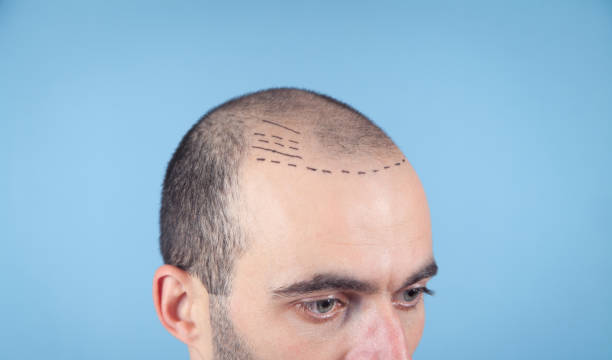
Hair loss is a common issue that affects millions of people worldwide, including Pakistan. It can lead to decreased self-confidence and even psychological distress. One of the most effective solutions for hair loss is hair transplant surgery. However, before considering a hair transplant in Pakistan, it is essential to understand whether anything can be done to slow down the balding process.
In this article, we will explore various methods, treatments, and lifestyle changes that can potentially help slow down the balding process.
Understanding Hair Loss
Before discussing methods to slow down hair loss, it is crucial to understand the causes and types of hair loss. The most common type is called androgenetic alopecia, also known as male or female pattern baldness. This genetic condition is the leading cause of hair loss in both men and women and is characterized by a gradual thinning of the hair.
Hormonal factors, age, and genetics play significant roles in this type of hair loss. In men, it typically starts with a receding hairline and thinning at the crown, while women experience a more diffuse hair thinning over the entire scalp.
Methods to Slow Down Hair Loss
1. Medications:
Two FDA-approved medications, finasteride (Propecia) and minoxidil (Rogaine), can help slow down the balding process. Finasteride works by inhibiting the production of dihydrotestosterone (DHT), a hormone responsible for hair loss. Minoxidil, on the other hand, stimulates hair growth and prolongs the anagen (growth) phase of the hair follicles.
2. Low-Level Laser Therapy (LLLT):
LLLT is a non-invasive treatment that uses laser devices or combs to stimulate cellular activity within the hair follicles. This therapy has shown promising results in slowing down hair loss and promoting hair regrowth.
3. Platelet-Rich Plasma (PRP) Therapy:
PRP therapy is gaining popularity as a non-surgical treatment option for hair loss. It involves injecting the patient’s own platelet-rich plasma, derived from their blood, into the scalp. PRP contains growth factors that stimulate hair growth and can help slow down the balding process.
4. Nutritional Supplements:
Certain nutritional deficiencies, such as iron, zinc, biotin, and vitamin D, can contribute to hair loss. Taking supplements to correct these deficiencies may help slow down hair loss. However, it is essential to consult a healthcare professional before starting any new supplement regimen.
5. Stress Management:
Stress can contribute to hair loss by disrupting the normal hair growth cycle. Adopting stress management techniques, such as exercise, meditation, and relaxation techniques, can help mitigate the effects of stress on hair loss.
6. Proper Hair Care:
Maintaining good hair hygiene and avoiding harsh hair treatments can slow down the balding process. Avoid excessive heat styling, chemical treatments, and rough handling of the hair, as these can weaken the hair follicles and lead to hair loss.
7. Scalp Massage:
Massaging the scalp increases blood circulation to the hair follicles, promoting hair growth and potentially slowing down hair loss. Incorporate a gentle scalp massage into your hair care routine to help nourish the hair follicles.
Seeking Professional Help
Choosing a Qualified Hair Restoration Specialist in Pakistan:
When looking for a qualified hair restoration specialist in Pakistan, it is important to consider the doctor’s experience, education, and certification.
It is also beneficial to research the doctor’s reviews and patient testimonials, to get an idea of the quality of care they provide. Additionally, be sure to ask for a detailed breakdown of the cost of the hair transplant procedure and the associated costs.
Initial Consultation and Assessing Hair Loss:
Your hair restoration specialist will start the process by performing a scalp examination to determine the extent of your hair loss and the best course of action.
During the examination, they may take photographs of your scalp, document your current hair loss pattern, and assess your skin and hair quality. This information will help your doctor to create a personalized treatment plan.
Personalized Treatment Plans:
Your hair restoration specialist will discuss the various treatment options available to you based on the results of your scalp examination. The treatment plan will likely include medications, lifestyle changes, and even a hair transplant. Your doctor will also recommend how to take care of the treated area post-surgery.
Realistic Expectations and Potential Risks:
It is important to discuss your expectations with your doctor before undergoing any hair restoration treatment. Your doctor will explain the risks and potential side-effects associated with the procedure, and how to minimize them. Also, they will explain any potential long-term results, so you can make an informed decision.
Post-Treatment Follow-up and Maintenance:
After your treatment is complete, your doctor will provide you with follow-up instructions to ensure the best results. This may include medications, topical treatments, and other treatments to help maintain the health of the transplanted hair. Additionally, you may be asked to return for regular follow-up appointments, to ensure the success of the treatment.
Conclusion:
While there is no foolproof method to completely prevent hair loss, several options can help slow down the balding process. Medications, low-level laser therapy, PRP therapy, nutritional supplements, stress management, proper hair care, and scalp massage are some of the strategies that can potentially slow down hair loss.
Before considering a hair transplant in Pakistan, it is advisable to consult with a qualified hair loss specialist who can assess your individual situation and recommend the most suitable treatment options. Hair transplant surgery remains one of the most effective and long-lasting solutions for hair loss in cases where conservative treatments are not sufficient.