
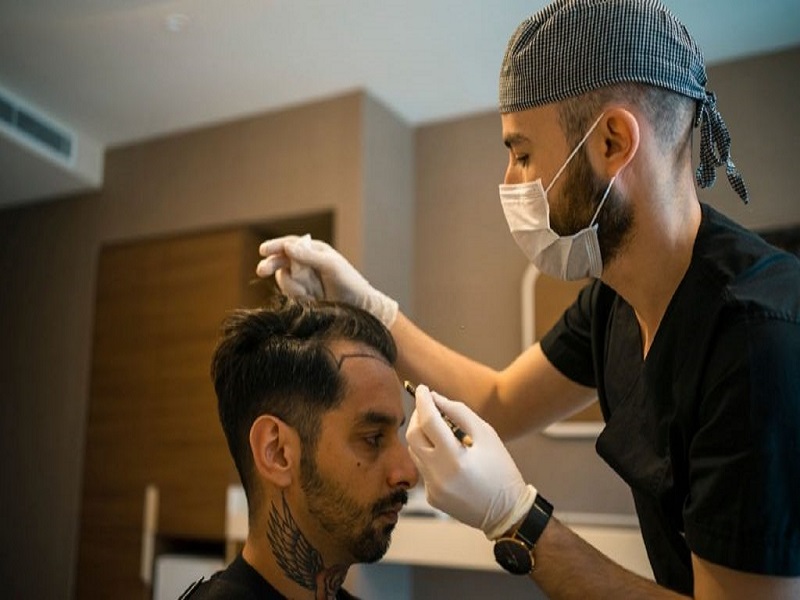
Hair loss is a common problem that affects millions of people worldwide, including residents of Karachi. There are various reasons for hair loss, including genetics, hormonal changes, and medical conditions. However, one factor that is often overlooked is the role of diet in hair loss.
In this article, we will explore whether your poor diet could be to blame for your hair loss and discuss the options for hair transplant in Karachi.
Understanding Hair Loss:
Before we delve into the relationship between diet and hair loss, it’s important to understand how hair loss occurs. Hair loss happens when the hair follicles, which are responsible for producing hair, become damaged or stop producing hair altogether. This can result in thinning hair, bald patches, or complete baldness.
Causes of Hair Loss:
There are several causes of hair loss, and it is often a combination of factors that contribute to the problem. Some common causes include:
1. Genetics:
If you have a family history of hair loss, it is likely that you may also experience it. Male pattern baldness, also known as androgenetic alopecia, is the most common type of genetic hair loss.
2. Hormonal changes:
Hormonal imbalances, such as those that occur during pregnancy, menopause, or thyroid disorders, can lead to temporary or permanent hair loss.
3. Medical conditions:
Certain medical conditions, like alopecia areata, scalp infections, or autoimmune diseases, can cause hair loss.
4. Poor nutrition:
A diet lacking in essential nutrients can have a negative impact on the health of your hair, leading to hair loss.
The Link Between Diet and Hair Loss:
Your diet plays a crucial role in maintaining the health of your hair. Hair follicles require a variety of nutrients to produce strong and healthy hair. When your diet lacks these essential nutrients, it can lead to hair loss. Here are some key nutrients that are vital for hair health:
1. Protein:
Hair is made up of a protein called keratin. Consuming an inadequate amount of protein can weaken the hair strands and eventually lead to hair loss.
2. Vitamins:
Certain vitamins, such as vitamin A, vitamin C, vitamin D, vitamin E, and B vitamins, are essential for hair growth and overall hair health.
3. Minerals:
Minerals like iron, zinc, and selenium are necessary for healthy hair growth. Deficiencies in these minerals can cause hair loss.
4. Omega-3 fatty acids:
These healthy fats found in fish and nuts help in maintaining a healthy scalp and promoting hair growth.
Unhealthy eating habits, such as excessive consumption of junk food, processed foods, and sugary snacks, can lead to nutrient deficiencies and negatively affect the health of your hair.
Role of Diet in Hair Transplant:
If you are considering a hair transplant in Karachi, it is important to understand the role of diet in the success of the procedure. While a hair transplant can restore hair in areas of baldness or thinning, maintaining a healthy diet is essential to support the growth and health of the transplanted hair.
A nutritious diet rich in the essential nutrients mentioned above can help promote healthy hair growth before and after a hair transplant. This not only ensures the success of the procedure but also contributes to the long-term maintenance of your hair health.
Tips for a Hair-Healthy Diet:
To improve the health of your hair and prevent further hair loss, consider making the following dietary changes:
1. Increase your protein intake by consuming lean meat, eggs, legumes, and dairy products.
2. Include a variety of fruits and vegetables in your diet to ensure a sufficient intake of vitamins and minerals.
3. Consume foods rich in omega-3 fatty acids, such as fatty fish, flaxseeds, and chia seeds.
4. Limit your intake of processed foods, sugary snacks, and high-fat foods, as they provide little nutritional value and can contribute to hair loss.
Seeking Professional Advice:
If you are experiencing significant hair loss or considering a hair transplant in Karachi, it is advisable to consult a professional. A qualified dermatologist can assess your hair loss and recommend appropriate dietary changes and treatments tailored to your specific needs.
Conclusion:
While genetics, hormonal changes, and medical conditions can contribute to hair loss, poor nutrition is often overlooked as a potential cause. A diet lacking in essential nutrients can weaken hair follicles and lead to hair loss. Therefore, it is crucial to maintain a healthy diet to support the growth and health of your hair, especially if you are considering a hair transplant in Karachi. By incorporating nutrient-rich foods into your diet and seeking professional guidance, you can promote healthy hair growth and maintain your hair health in the long run.