
Losing hair can affect a person’s confidence and self-esteem. While there are various remedies to cover up hair loss, one of the most popular and effective solutions is a hair transplant procedure. A hair transplant can help restore confidence and improve one’s appearance. If you are considering a hair transplant, it’s important to know what to expect before, during, and after the procedure. In this article, we will guide you through a step-by-step process of what to expect from a hair transplant procedure.
Consultation with a Hair Transplant Specialist
The first step in a hair transplant procedure is a consultation with an experienced hair transplant specialist. During this consultation, the specialist will assess your hair loss and determine whether you are a good candidate for a hair transplant. They will discuss the different types of hair transplant procedures available, the cost of the procedure, and any potential risks or side effects. It’s important to be honest and share any medical conditions or medications you are taking as this may impact the procedure.
Pre-Surgical Preparations
Once you have decided to go ahead with the procedure, the next step is pre-surgical preparation. This typically involves a blood test, medical examination, and photos of your scalp. The specialist will also provide instructions on how to prepare for the procedure, including what medications to avoid and how to care for your scalp before the surgery. It’s important to follow these instructions carefully to ensure the success of the procedure.
Donor Area Preparation
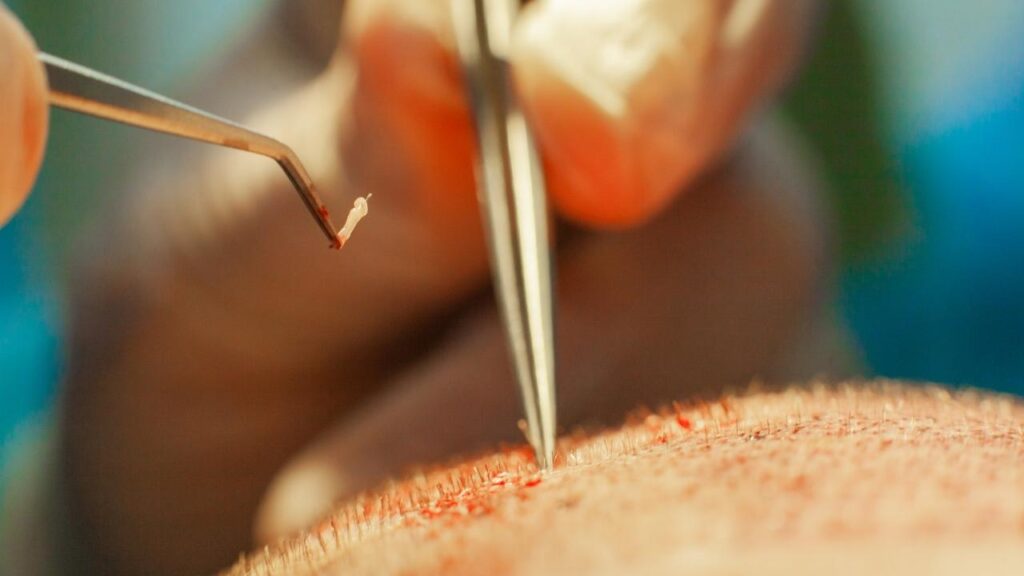
On the day of the procedure, you will be given local anesthesia to numb the donor area. The donor area is the site where the hair follicles will be removed. The specialist will then remove hair follicles from the donor area using a surgical instrument. The size and number of grafts required will depend on the amount of hair loss and the desired result.
Recipient Area Preparation
After removing hair follicles from the donor area, the specialist will prepare the recipient area for the transplant. They will make small incisions in the scalp where the hair follicles will be placed. The incisions will be strategically placed to achieve the most natural-looking result.
Hair Graft Placement
Once the recipient area is prepared, the specialist will begin placing the hair grafts onto the scalp. This process can take several hours depending on the number of grafts required. The grafts will be carefully placed in the incisions made by the specialist to ensure they stay in place and are not damaged.
Post-Surgical Care
After the procedure is complete, the specialist will provide instructions on how to care for your scalp. It’s important to follow these instructions carefully to ensure proper healing and the best possible result. The scalp will be sensitive and may be swollen for a few days after the procedure. Medications may be prescribed to manage pain and minimize the risk of infection.
Follow-up Appointments
The specialist will schedule follow-up appointments to check the progress of the hair transplant. These appointments are important to ensure the scalp is healing properly and that the hair is growing as expected. The specialist may recommend additional treatments or medications to improve the growth of the transplanted hair.
Conclusion
In conclusion, a hair transplant is a powerful solution to hair loss. If you are considering a hair transplant procedure, it’s important to consult with an experienced hair transplant specialist and to know what to expect before, during, and after the procedure. Follow the instructions provided by the specialist carefully and attend follow-up appointments to achieve the best possible result. With proper care, a hair transplant can help restore confidence and improve one’s appearance for years to come.