
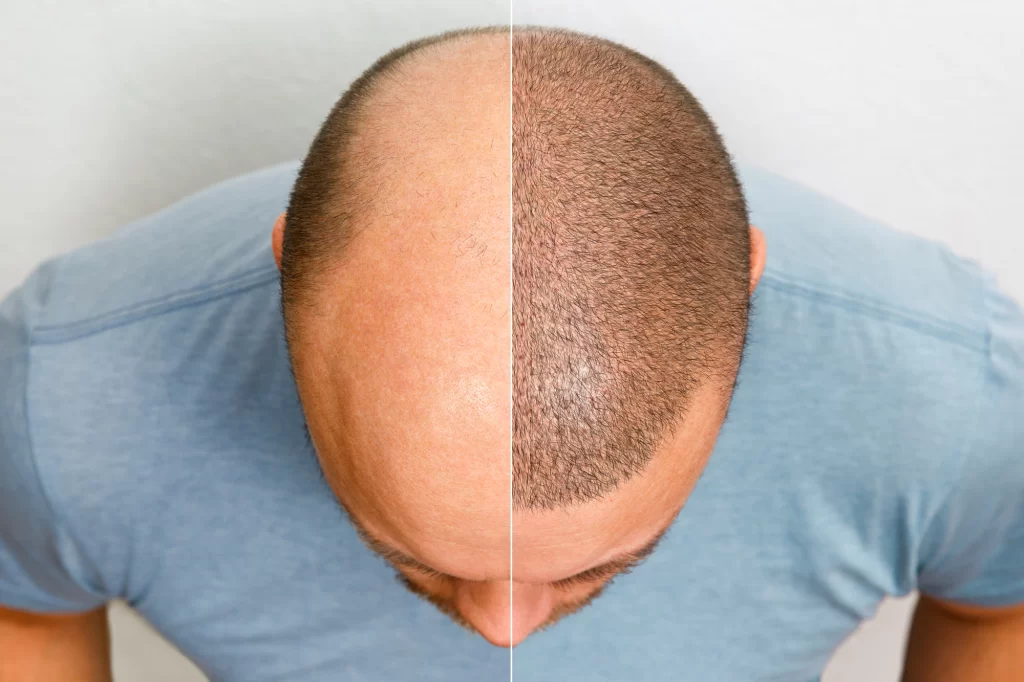
Hair transplant surgery is a procedure that involves harvesting follicles from an area of dense hair growth on the scalp, and implanting them to areas that have less hair. This surgery is considered the most effective solution for hair loss, especially for those experiencing male-pattern baldness. This guide aims to provide you with all the essential information you need to know about hair transplant surgery, including what to expect before, during, and after the surgery.
Pre-Surgery Preparations
Before undergoing a hair transplant surgery, there are several things you need to prepare for. First and foremost, research the procedure thoroughly and choose a reputable clinic with a proven track record of successful hair transplant procedures. Schedule a consultation with a surgeon to discuss your expectations and suitability for the surgery. Your surgeon will assess your scalp and advise you on the best hair transplant method suited to your hair type, scalp condition, and degree of hair loss.
It is essential to inform your surgeon about any medical conditions or medications you are taking. This information will be used to identify any potential complications and develop a treatment plan that is personalized to your needs. You may also be required to stop taking certain medications that thin the blood or affect the healing process. Smoking cigarettes can also impact your procedure’s results, and your doctor will likely recommend that you stop smoking before and after your surgery.
Hair Transplant Surgery Options
Two types of hair transplant surgeries are commonly performed: Follicular Unit Transplant (FUT) and Follicular Unit Extraction (FUE).
Follicular Unit Transplant (FUT)
FUT involves removing a strip of scalp from the back of your head and dissection under microscopes to extract individual hair follicles. Once the follicles are extracted and prepared, they are implanted into the targeted areas in the scalp. This technique provides more grafts in a single session and is often recommended for those who require more coverage.
Follicular Unit Extraction (FUE)
Unlike FUT, FUE involves extracting individual hair follicles one by one from the donor site, which is typically the back of the head. These follicles are then transplanted into the targeted areas on the scalp. FUE is less invasive than FUT, and the recovery time is shorter.
Both methods have advantages and disadvantages, and your surgeon can help you decide which method is best suited for your hair transplant surgery.
The Hair Transplant Surgery Procedure
Once you have chosen the type of surgery, you will be given instructions on how to prepare for the procedure. On the day of the surgery, you will be asked to arrive at the clinic, where the surgeon will administer local anesthesia to the donor and recipient areas of the scalp. This will numb the scalp so that you will not feel any discomfort during the surgery.
The surgeon will then start the process of harvesting donor follicles from the donor area using the chosen method (FUT or FUE). Once enough follicles have been harvested, the surgeon will then proceed to implant the harvested follicles into the recipient areas. The recipient sites are created using a surgical tool that forms tiny incisions on the scalp. The follicles are then carefully placed into these incisions.
After the surgery is completed, you will be monitored for a short time by medical staff, after which you can return home. You should arrange for someone to drive you home as you may experience some drowsiness or discomfort in the first few hours following the procedure.
Recovery and After Care
The recovery time for hair transplant surgery varies depending on the type of procedure you received. FUT has a longer recovery time than FUE, and it is recommended to take a week off from work to allow the scalp to heal.
Regardless of the type of surgery, there are several things you can do to support healthy healing and promote hair regrowth. You should avoid exposure to direct sunlight, strenuous exercise, and any hair styling treatments for the first two weeks following surgery. You should also sleep with your head elevated using pillows to reduce swelling.
Your surgeon will prescribe medications and provide detailed aftercare instructions to aid in the recovery process. The aftercare instructions may include recommendations for using medicated shampoos, avoiding styling products, and avoiding haircuts for several weeks following the surgery.
Conclusion
Hair transplant surgery is an effective solution for hair loss, and it is essential to understand the steps involved in the procedure, including the pre-surgery preparations, the surgery procedure itself, and the aftercare routine. By following the above guide, you’ll be well-equipped to make informed decisions about your hair transplant surgery and achieve successful and satisfying results. Contact a reputable hair transplant clinic today for further guidance and to explore how hair transplant surgery can improve your quality of life.