
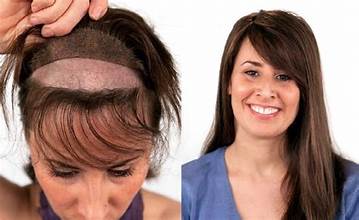
Millions of women all over the world suffer from the prevalent illness known as female pattern hair loss (FPHL). It can have a significant impact on a woman’s self-esteem and overall quality of life. While hair loss is more commonly associated with men, it is crucial to recognize that women can also experience substantial hair thinning and baldness.
Thanks to improvements in medical technology, both men and women can now benefit from hair transplant surgeries. In this article, we will delve into the causes of female pattern hair loss, explore hair transplant procedures tailored specifically for women, and discuss the effectiveness and potential risks associated with these procedures.
Understanding Female Pattern Hair Loss
Female pattern hair loss, also known as androgenetic alopecia, is a specific type of hair loss that occurs in women due to genetic and hormonal factors. It typically presents diffuse hair thinning on the crown area, widening of the parting line, and a reduction in hair density.
Unlike male pattern baldness, FPHL does not usually result in complete baldness but can significantly impact a woman’s self-confidence, leading to psychological distress.
Causes of Female Pattern Hair Loss

The primary cause of FPHL is believed to be a combination of genetic susceptibility and an increase in the levels of androgens, particularly dihydrotestosterone (DHT), within the scalp. DHT causes miniaturization of hair follicles, resulting in smaller and thinner hair strands.
Additionally, hormonal fluctuations during menopause and childbirth, underlying medical conditions like polycystic ovary syndrome (PCOS), and certain medications or treatments can also contribute to hair loss in women.
Hair Transplant Procedures for Women
Hair transplant procedures for women aim to address and restore hair loss in a natural and aesthetically pleasing manner. Follicular Unit Extraction (FUE) and Follicular Unit Transplantation (FUT) are the two main methods utilized in hair transplantation.
1. Follicular Unit Extraction (FUE):
FUE is a minimally invasive procedure that involves extracting individual hair follicles from the donor area (typically the back of the scalp) and implanting them into the recipient area.
This technique ensures a natural-looking hairline and minimal scarring, making it a popular choice for women. The procedure usually requires multiple sessions to achieve desired results.
2. Follicular Unit Transplantation (FUT):
FUT involves removing a strip of scalp tissue from the donor area and dissecting it into individual follicular units, which are then inserted into the recipient area. Although this technique may leave a linear scar, it can yield excellent results and is often more suitable for extensive hair loss cases.
Effectiveness and Risks of Hair Transplantation for Women
Hair transplantation can be highly effective in restoring hair density and improving the appearance of the scalp in women with FPHL. However, success rates can vary, depending on the severity of the hair loss, the expertise of the surgeon, and the patient’s overall health. It is essential to have realistic expectations and consult with a qualified hair transplant specialist to determine the most appropriate treatment plan.
Risks associated with hair transplant procedures include infection, bleeding, scarring, and temporary shock loss. However, with proper pre-operative assessment, skilled surgical techniques, and post-operative care, these risks can be minimized. It is crucial for women considering hair transplantation to understand the potential benefits and risks associated with the procedure and weigh them against their desired outcomes.
Non-Surgical Options for Women with Hair Loss
Hair transplant surgery is not suitable for everyone. Non-surgical options, such as topical medications like minoxidil, oral medications like finasteride (in certain cases), and low-level laser therapy, can also be effective in managing and slowing down hair loss progression in women. These options should be explored before considering invasive procedures.
Conclusion:
Female pattern hair loss can significantly impact a woman’s emotional well-being and self-confidence. Hair transplant procedures, such as FUE and FUT, have emerged as viable options for women seeking to restore hair density and address hair loss. Consultation with a qualified hair transplant specialist is essential to determine the most suitable treatment plan, considering the severity of hair loss, personal preference, and overall health. With advancements in medical technology and ongoing research in this field, the future holds more promising solutions for women struggling with female pattern hair loss, allowing them to regain their confidence and feel content with their appearance.