
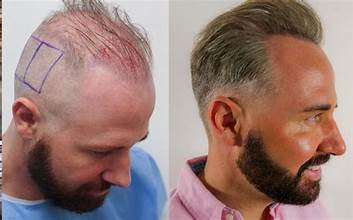
Hair loss is a common concern for both men and women, and it can often lead to a decline in self-esteem and confidence. For those considering hair restoration techniques, understanding the ideal age for a hair transplant can be crucial in achieving the best results. While there is no one-size-fits-all answer to this question, this article will delve into various factors that can influence the ideal age for a hair transplant, debunking myths and providing guidelines to cater to individual needs.
1. Understanding the Hair Loss Spectrum:
Hair loss can occur at various stages of life, and the rate and pattern of hair loss can differ from person to person. It is crucial to understand the different stages of hair loss before considering a hair transplant.
From mild thinning to receding hairlines and extensive baldness, the severity of hair loss will help determine the ideal age for a transplant.
2. When to Seek Professional Advice:
Consulting a qualified hair transplant specialist is pivotal to understanding the underlying causes and potential treatments for hair loss. Regardless of age, seeking professional advice will provide clarity on the available options and help determine if a hair transplant is the best choice.
Factors such as the individual’s overall health, hair loss progression, and the availability of alternative treatments will be taken into consideration during these consultations.
3. Early Stages of Hair Loss:
In the early stages of hair loss, younger individuals might be eager to pursue a hair transplant as soon as possible. However, it is vital to manage expectations and explore non-surgical methods, such as medications or laser therapies, before opting for a hair transplant.
Understanding the underlying causes and addressing them appropriately can delay the need for surgical intervention, often yielding more satisfactory results in the long run.
4. Age and Pattern of Hair Loss:
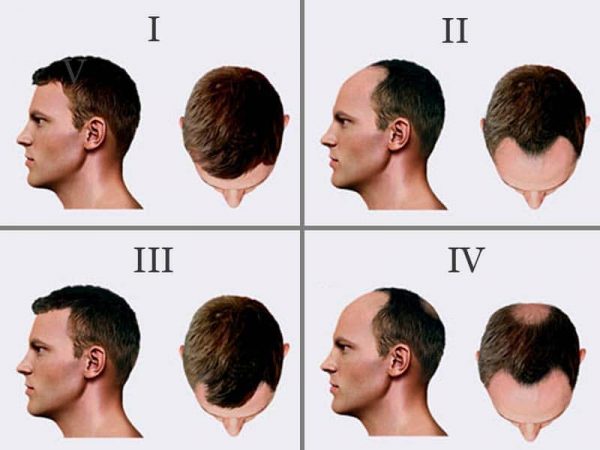
The pattern of hair loss can vary among individuals, with some experiencing hair loss in specific areas, such as the frontal hairline, while others may encounter diffused thinning throughout the scalp.
The ideal age for a hair transplant can depend on the pattern of hair loss and the stability of the donor’s hair. Understanding the progression and stability of hair loss will help determine the most appropriate time for a transplant.
5. The Advantages of Waiting:
While younger individuals might be eager to address their hair loss concerns, waiting until a more mature age can provide several advantages. As one gets older, the pattern and extent of hair loss become more predictable, allowing for a more accurate assessment of the donor and recipient areas.
Waiting until a certain age can also provide a clearer picture of future hair loss progression and maintenance needs, leading to more successful and lasting results.
6. Potential Risks and Longevity of Results:
Hair transplants are generally safe and effective; however, certain risks and potential complications exist, regardless of age. Discussing these risks with a hair transplant specialist is crucial to understanding the possibility of future hair loss, the need for touch-up procedures, and potential side effects.
By addressing these concerns before undergoing a transplant, individuals can have a realistic expectations of the longevity and success of the procedure.
7. Psychological Impact and Personal Preferences:
Hair loss can have a significant psychological impact on individuals of any age. While the decision to pursue a hair transplant is deeply personal, it is essential to consider the psychological readiness and emotional stability of the individual.
Understanding personal preferences and goals can help determine the ideal age for a hair transplant, ensuring that the results align with the individual’s expectations.
Conclusion:
Determining the ideal age for a hair transplant is not a one-size-fits-all answer. It requires a holistic approach, considering factors such as the pattern and stability of hair loss, the individual’s overall health, and personal preferences. Seeking professional advice and discussing the available options is pivotal in making an informed decision. Ultimately, the success of a hair transplant lies in understanding the individual needs and addressing them appropriately, regardless of age.