
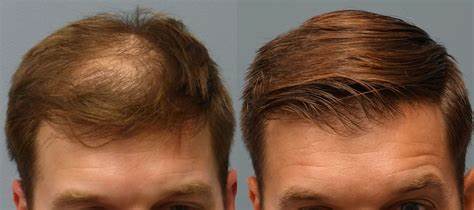
Hair loss is a common concern for many individuals worldwide, affecting both men and women. Over the years, numerous hair restoration techniques have emerged, each with its advantages and disadvantages. In recent years, Nano FUE (Follicular Unit Extraction) hair transplant has gained significant attention as an innovative and effective solution for hair loss. This article aims to provide a comprehensive comparison of Nano FUE hair transplant with other hair restoration techniques, highlighting their benefits, limitations, and potential outcomes.
I. Understanding Hair Transplantation:
1. Traditional FUE Hair Transplant:
Traditional FUE Hair Transplant involves the extraction of individual hair follicles from the donor area using a small punch instrument. These follicles are then transplanted into the recipient area using micro-incisions. The procedure is minimally invasive and does not require the removal of a strip of scalp tissue like in a Strip hair transplant.
Traditional FUE has become popular due to its relatively low scarring and faster recovery time. However, the procedure can be time-consuming, as each hair follicle is individually extracted, which may limit the number of grafts that can be transplanted in one session. Additionally, there is the risk of damaged grafts during extraction.
2. Strip (FUT) Hair Transplant:
Strip (FUT) Hair Transplant involves removing a strip of scalp tissue from the donor area and dissecting it into individual hair follicle grafts. The grafts are then transplanted into the recipient area. This technique allows for a larger number of grafts to be transplanted in a single session, making it suitable for extensive hair loss cases.
However, strip hair transplant leaves a significant linear scar at the donor site, which can limit the patient’s hairstyle options. The recovery time is also longer compared to FUE techniques.
II. Comparison of Nano FUE with Other Techniques:
1. Efficiency and Precision:
In terms of efficiency and precision, Nano FUE offers several advantages over traditional hair transplantation techniques. The extraction and implantation processes are faster, allowing for a greater number of grafts to be transplanted in a single session. The overall survival rate of the grafts is also higher due to the reduced trauma to the follicles during extraction.
2. Natural Results and Aesthetics:
Nano FUE enables the surgeon to precisely control the angle, direction, and depth of the transplanted hair follicles, resulting in more natural-looking results. The density and coverage achieved with Nano FUE are comparable to other techniques, providing satisfactory aesthetic outcomes.
3. Scarring and Healing:
Scarring and healing are important considerations in hair transplantation. Nano FUE minimizes scarring as it utilizes small incisions that heal faster and leave minimally visible scars. Patients can wear shorter hairstyles without worrying about the linear scar commonly associated with strip hair transplant.
Recovery time is quicker compared to strip techniques, allowing individuals to resume their normal activities sooner.
4. Pain and Discomfort:
Pain and discomfort associated with the hair transplant procedure are generally well-managed with appropriate anesthesia. The level of pain experienced varies among individuals, but advancements in local anesthesia techniques have made the procedure relatively comfortable for most patients. Nano FUE, with its smaller incisions and reduced trauma, may result in less post-operative discomfort compared to other techniques. However, individual pain tolerance and sensitivity can still play a role in the overall experience.
5. Donor Area Preservation:
Donor area preservation is an important consideration for individuals considering hair transplant procedures. With traditional FUE, the donor area is scattered with tiny punch marks, which may become more noticeable if the hair is shaved short.
On the other hand, strip hair transplant leaves a linear scar that restricts hairstyle options. Nano FUE, with its minimal scarring and smaller incisions, allows for better preservation of the donor area. It also offers the possibility of repeated procedures in the future if desired.
6. Suitability for Different Hair Loss Patterns:
The suitability of Nano FUE for different hair loss patterns depends on various factors, including the extent of hair loss, donor hair availability, and the individual’s goals. Nano FUE is generally suitable for various types of hair loss, including receding hairlines, crown balding, and diffuse thinning. The technique allows for customization and precision in hairline design, ensuring a natural and balanced look. However, the surgeon’s expertise and artistic skill are crucial in achieving optimal results.
Why Dr Zain is Best for Nano FUE Hair Transplant?
Dr Zain is considered the best choice for a Nano FUE hair transplant for several reasons. With years of experience and expertise in the field, Dr Zain is known for his exceptional surgical skills and precision. He has a deep understanding of the latest advancements in hair transplant techniques, including the use of Nano FUE.
Dr Zain’s approach ensures minimal scarring, faster healing time, and natural-looking results. His commitment to personalized care and patient satisfaction sets him apart, making him the top choice for Nano FUE hair transplant procedures. Visit https://drzainlatif.com/ to learn more about his expertise and services.
Conclusion:
In conclusion, Nano FUE hair transplantation is an advanced technique that offers numerous benefits compared to traditional hair restoration methods. Its precision, minimally invasive nature, natural results, and high patient satisfaction rates make it a desirable option for individuals seeking permanent hair restoration. However, it is important to acknowledge its limitations and weigh them against personal preferences, hair loss patterns, budget, and other factors. Consulting with a qualified hair transplant specialist is crucial to determine the most suitable approach for each individual’s unique needs.