
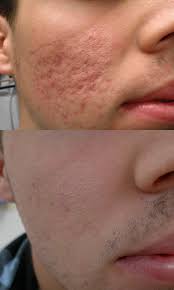
Acne scars can dramatically reduce one’s self-esteem and confidence. These scars are a result of the body’s natural healing process after acne breakouts, and they can appear in various forms, including atrophic scars, hypertrophic scars, and keloid scars. Treating acne scars is essential not only for aesthetic reasons but also for psychological well-being.
Understanding Fractional CO2 Laser Treatment: Overview and Mechanism of Action
Fractional CO2 laser treatment is a non-invasive procedure that uses a high-energy laser to resurface the skin and stimulate collagen production. This treatment targets the affected areas with precision, removing damaged skin cells and promoting the growth of new, healthier skin.
The term “fractional” refers to the treatment’s ability to selectively treat only a fraction of the skin, leaving the surrounding tissue intact for faster healing.
Types of Acne Scars: Atrophic, Hypertrophic, and Keloid Scars
Acne scars can have different characteristics, and identifying their type is essential for developing an effective treatment plan. Atrophic scars are depressed or pitted scars, while hypertrophic scars are raised scars.
Keloid scars are excessively raised scars that extend beyond the boundaries of the original injury. Fractional CO2 laser treatment can address all three types of acne scars.
The Role of Fractional CO2 Laser in Treating Atrophic Acne Scars
Atrophic acne scars, such as ice-pick scars and rolling scars, can be effectively treated with fractional CO2 laser therapy. The laser energy penetrates the skin’s surface and promotes collagen remodeling, resulting in a smoother and more even skin texture. The treatment helps fill in the depression caused by atrophic scars, improving their appearance.
Treating Hypertrophic and Keloid Acne Scars with Fractional CO2 Laser Therapy
Fractional CO2 laser treatment can also benefit patients with hypertrophic scars and keloid scars. The laser energy helps break down scar tissue and stimulates collagen production, leading to the reduction of scar prominence. While improvements may vary, this treatment can help flatten raised scars and improve their appearance.
Factors Influencing Suitability and Efficacy of Fractional CO2 Laser Treatment
The suitability and efficacy of fractional CO2 laser treatment can vary depending on several factors. Skin type, scar severity, and overall health play a significant role in determining the outcome. Consulting with a qualified dermatologist or medical professional is crucial to assess these factors and create an appropriate treatment plan tailored to individual needs.
The Fractional CO2 Laser Treatment Process: Sessions and Recovery Period
Fractional CO2 laser treatment typically consists of multiple sessions, spaced several weeks apart. The number of sessions and the depth of treatment required depend on the severity and type of acne scars.
During the procedure, patients may experience discomfort, which can be managed with topical or local anesthesia. After the treatment, the skin undergoes a healing process, with temporary side effects such as redness, swelling, and peeling.
Managing Discomfort and Side Effects of Fractional CO2 Laser Therapy
Although fractional CO2 laser treatment is generally well-tolerated, some discomfort and side effects may occur. Dermatologists can provide strategies to manage discomfort, including the use of topical numbing creams or cooling devices. Proper aftercare is essential to minimize side effects and promote healing.
Realistic Expectations and Timeframe for Results of Fractional CO2 Laser Treatment
While fractional CO2 laser treatment can lead to significant improvements in acne scars, it is important to have realistic expectations. Results may vary depending on individual factors, and it may take several months to see the full benefits of the treatment. Patience is key, as collagen remodeling and skin regeneration occur gradually.
Post-Treatment Care: Maximizing the Benefits of Fractional CO2 Laser Treatment
Following post-treatment care instructions provided by the dermatologist is vital to achieve the best possible outcomes. Protecting the skin from sun exposure, avoiding harsh skincare products, and keeping the treated area clean and moisturized are essential for proper healing and maximizing the benefits of fractional CO2 laser treatment.
Considerations and Precautions for Fractional CO2 Laser Treatment
Before undergoing fractional CO2 laser treatment, patients should inform their dermatologists about any medical conditions, medications, or allergies they have. Certain factors, such as pregnancy or history of keloid scarring, may contraindicate the treatment. Dermatologists will assess the patient’s suitability and provide necessary precautions based on their specific situation.
Alternative Treatments for Acne Scars: Comparing Fractional CO2 Laser with Other Options
Fractional CO2 laser treatment is not the only option for acne scar reduction. Micro-needling, chemical peels, and other laser treatments are alternatives that may be suitable depending on the individual’s requirements. A dermatologist’s expertise is invaluable for determining the most appropriate treatment option.
Conclusion:
Fractional CO2 laser treatment offers an effective solution for treating various types of acne scars. Its ability to stimulate collagen production, resurface the skin, and improve texture makes it a valuable tool in reducing the appearance of acne scars. Combining the expertise of a dermatologist with the benefits of fractional CO2 laser treatment can help individuals achieve smoother, more radiant skin and regain confidence in their appearance.