
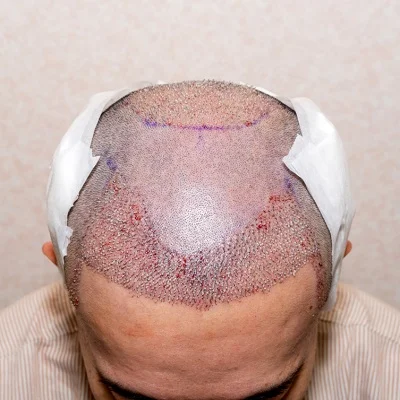
When it comes to getting an effective and long-term solution for hair loss, hair transplant cost in Pakistan is one of the major deciding factors for many people. While wigs are an easy and cost-effective alternative, they come with a number of limitations and can be quite uncomfortable. On the other hand, hair transplant cost in Pakistan has come down significantly over the years and the procedure can be quite effective when performed correctly.
In this article, we will discuss the pros and cons of hair transplant and wigs to help you determine which one is the true value for money.
Hair Transplant Cost in Pakistan: What You Need to Know
When it comes to the hair transplant cost in Pakistan, it can vary greatly depending on the complexity of the procedure and the number of grafts required. Generally speaking, the cost of a hair transplant in Pakistan can range from anywhere between PKR 50,000 to PKR 250,000.
The cost of a hair transplant also depends on the technique used. Follicular Unit Transplantation (FUT) and Follicular Unit Extraction (FUE) are the two most commonly used techniques, and the cost can vary significantly depending on the clinic and the experience of the surgeon.
Pros and Cons of Hair Transplant
The biggest advantage of a hair transplant is that it can provide a permanent solution for hair loss. The transplanted hair will grow just like normal hair, and the results can last a lifetime. However, the cost of a hair transplant can be quite high, and the procedure can be quite time consuming.
Moreover, the success of a hair transplant depends on the skill and experience of the surgeon. If the procedure is not performed correctly, it can lead to poor results, and the results may not be as expected.
Pros and Cons of Wigs
Wigs are a great option if you are looking for a cost-effective and quick solution for hair loss. They are easy to use and can provide the desired results in a matter of minutes. Moreover, they are quite comfortable and can be easily removed when needed.
However, wigs are not a permanent solution and may require regular maintenance. Moreover, they can be quite uncomfortable, and the results may not be as natural-looking as a hair transplant.
FAQs
1. How much does a hair transplant cost in Pakistan?
Hair transplant costs in Pakistan can vary depending on various factors, including the extent of hair loss, the technique used, the reputation of the clinic, and the surgeon’s expertise. On average, the cost of a hair transplant in Pakistan can range from Rs. 80,000 to Rs. 300,000.
2. Are hair transplants a permanent solution for hair loss?
Undoubtedly, hair transplants are regarded as a long-term remedy for hair loss. During a hair transplant, hair follicles are typically taken from the back or sides of the head (where hair is usually denser) and transplanted to the affected areas. As these transplanted hairs are usually resistant to balding, they continue to grow naturally and provide long-lasting results.
3. How long does it take to see the results of a hair transplant?
Each person may have different outcomes from a hair transplant. Generally, it takes about 6 to 12 months to see the full results of a hair transplant. The transplanted hairs may initially fall out after the procedure, but new hair growth should start within a few months.
4. What are the advantages of a hair transplant compared to wearing wigs?
Hair transplants offer a more natural and permanent solution to hair loss compared to wearing wigs. Transplanted hairs can be styled, washed, and treated just like natural hair, providing a more authentic and realistic look. Additionally, once the initial procedure is completed, there are no ongoing costs involved compared to the regular maintenance and replacement expenses of wigs.
5. Are hair transplants accompanied by any risks or adverse effects?
Like any surgical procedure, hair transplants do carry some risks and potential side effects. These can include scalp pain or numbness that lasts a short while, bleeding, scarring, and infection. It is essential to choose an experienced and reputable surgeon to minimize the risks associated with the procedure.
6. Are wigs a cost-effective alternative to hair transplants?
Wigs can be a more affordable option initially, but they require regular maintenance, styling, and replacement, which can incur ongoing costs. Additionally, wearing a wig may not provide the same natural and permanent results as a hair transplant, as it does not address the underlying cause of hair loss.
7. Can wigs damage natural hair?
Wearing wigs occasionally or with proper care generally does not damage natural hair. However, if wigs are worn for extended periods without proper cleaning, maintenance, or if they are poorly fitted, they can potentially cause damage, such as hair breakage or traction alopecia.
8. How do I decide between a hair transplant and wearing wigs?
The decision between a hair transplant and wearing wigs depends on individual preferences, the extent of hair loss, and budget considerations. It is recommended to consult with a qualified hair transplant surgeon who can evaluate your specific condition and provide personalized advice on which option would be most suitable for you.
Conclusion:
When it comes to getting a value for money solution for hair loss, hair transplant cost in Pakistan is one of the major deciding factors. While wigs are an easy and cost-effective solution, they come with a number of limitations and can be quite uncomfortable. On the other hand, hair transplant cost in Pakistan has come down significantly over the years, and the procedure can be quite effective when performed correctly.
Ultimately, the decision of whether to go with a wig or a hair transplant depends on your budget, the complexity of the procedure, and the desired results.