
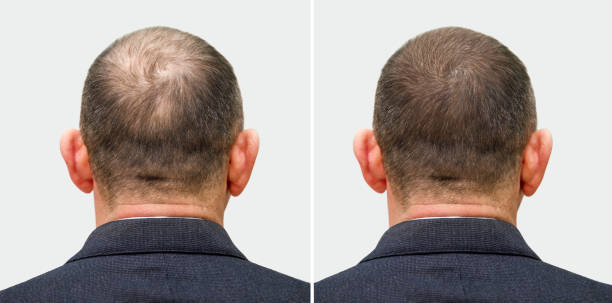
Hair loss is a common concern for many individuals, and the quest for effective solutions often leads people to consider hair transplant procedures. In Pakistan, the demand for hair transplants has grown significantly as more individuals seek a permanent and natural-looking solution to address baldness or thinning hair. However, with any medical procedure, questions about safety and efficacy naturally arise. In this exploration, we delve into the safety aspects of undergoing a hair transplant in Pakistan.
1. What is a Hair Transplant?
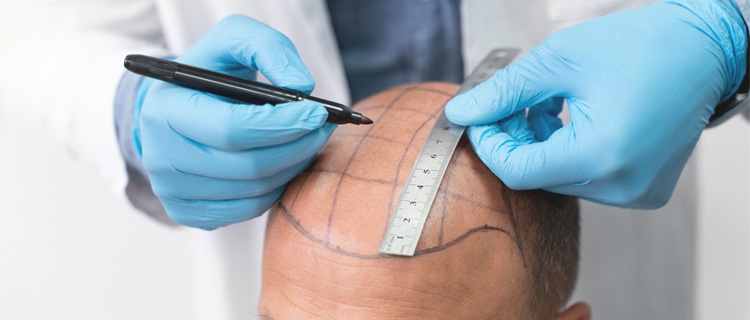
A hair transplant is a surgical procedure that involves the extraction of hair follicles from one part of the body. This procedure is designed to redistribute healthy hair follicles to achieve a fuller and more natural-looking hairline.
2. Popular Techniques in Pakistan
In Pakistan, two primary techniques are widely used for hair transplants:
- Follicular Unit Transplantation (FUT): In FUT, a strip of skin containing hair follicles is removed from the donor area and then dissected into individual grafts for transplantation.
- Follicular Unit Extraction (FUE): FUE involves the extraction of individual hair follicles directly from the donor area, typically using a micro-punch tool, and transplanting them to the recipient area.
Safety Considerations for Hair Transplants in Pakistan
1. Accreditation and Certification
1.1 Accredited Clinics
Before opting for a hair transplant in Pakistan, individuals should ensure that the clinic is accredited and adheres to international standards for safety and hygiene. Accredited clinics are more likely to follow stringent protocols, ensuring a safe and sterile environment for surgical procedures.
1.2 Certified Surgeons
The expertise of the surgeon performing the hair transplant is crucial for the procedure’s safety and success. Choosing a certified and experienced surgeon with a proven track record in hair transplantation increases the likelihood of a positive outcome. Look for certifications from reputable medical boards and organizations.
2. Sterilization and Infection Control
2.1 Sterile Operating Rooms
Sterilization of equipment and operating rooms is paramount in preventing infections during and after the hair transplant procedure. Reputable clinics in Pakistan adhere to strict sterilization protocols, reducing the risk of post-surgical complications.
2.2 Antibiotic Protocols
To further mitigate infection risks, clinics may prescribe antibiotic medications before and after the procedure. Following the prescribed antibiotic regimen is crucial for minimizing the chances of infections at the donor and recipient sites.
3. Patient Evaluation and Candidacy
3.1 Thorough Medical Evaluation
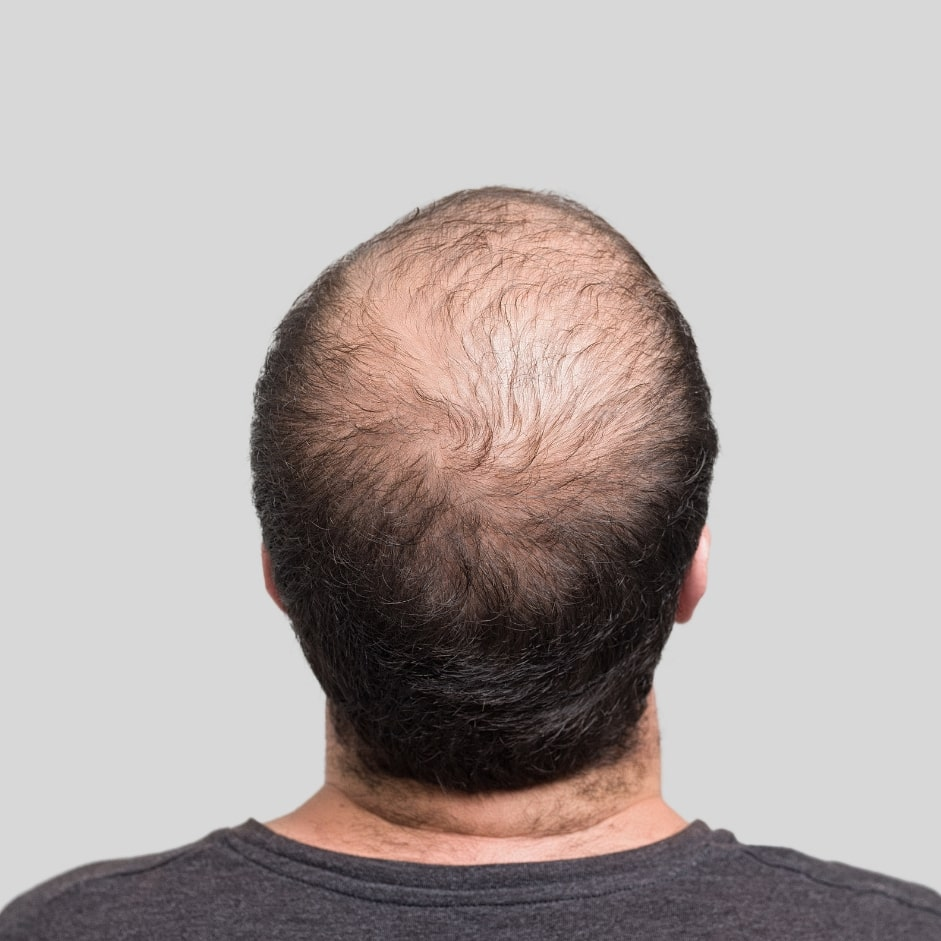
A comprehensive medical evaluation is necessary to determine whether an individual is a suitable candidate for a hair transplant. Conditions such as diabetes, blood clotting disorders, or certain skin conditions may impact a person’s candidacy. A reputable clinic will conduct thorough medical assessments to identify potential risks and ensure the safety of the procedure.
3.2 Realistic Expectations
A responsible surgeon will provide a clear understanding of what can be achieved through a hair transplant and discuss potential limitations. This transparency helps manage expectations and reduces the risk of dissatisfaction.
4. Postoperative Care and Follow-Up
4.1 Clear Postoperative Instructions
After the hair transplant, patients receive detailed postoperative instructions. Following these instructions, including proper care of the donor and recipient areas, is essential for a smooth recovery process. Clinics that prioritize patient safety provide comprehensive guidance on postoperative care.
4.2 Follow-Up Appointments
Regular follow-up appointments are an integral part of postoperative care. During these appointments, the surgeon monitors the progress of the hair transplant, addresses any concerns or complications, and ensures that the healing process is proceeding as expected. A commitment to follow-up care is indicative of a clinic’s dedication to patient safety.
Factors Influencing the Safety of Hair Transplants in Pakistan
1. Clinic Reputation and Reviews
1.1 Research and Reviews
Before choosing a clinic for a hair transplant in Pakistan, individuals should conduct thorough research. Reading reviews from previous patients can provide insights into the clinic’s reputation, the surgeon’s expertise, and the overall patient experience. Positive reviews and testimonials are indicative of a clinic’s commitment to safety and patient satisfaction.
1.2 Referrals and Recommendations
Seeking referrals and recommendations from individuals who have undergone successful hair transplants in Pakistan can be invaluable. Personal recommendations often provide firsthand insights into the safety, efficacy, and overall experience with a specific clinic.
2. Technology and Infrastructure
2.1 Advanced Technology
The use of advanced technology and modern infrastructure contributes to the safety and success of hair transplants. Clinics that invest in state-of-the-art equipment and facilities are better equipped to perform precise and efficient procedures with reduced risks.
2.2 Sterile Environment
The cleanliness and sterility of the clinic’s environment significantly impact safety. Clinics that prioritize maintaining a sterile surgical environment demonstrate a commitment to minimizing the risk of infections and complications.
Conclusion:
Navigating the safety of a hair transplant in Pakistan requires careful consideration of various factors. By prioritizing accredited clinics, certified surgeons, sterilization protocols, thorough patient evaluations, and postoperative care, individuals can enhance the safety and efficacy of their hair transplant experience.
It is crucial for prospective patients to conduct extensive research, seek recommendations, and have realistic expectations. Choosing a reputable clinic with a track record of successful hair transplants and satisfied patients can lead to a positive and safe experience.