
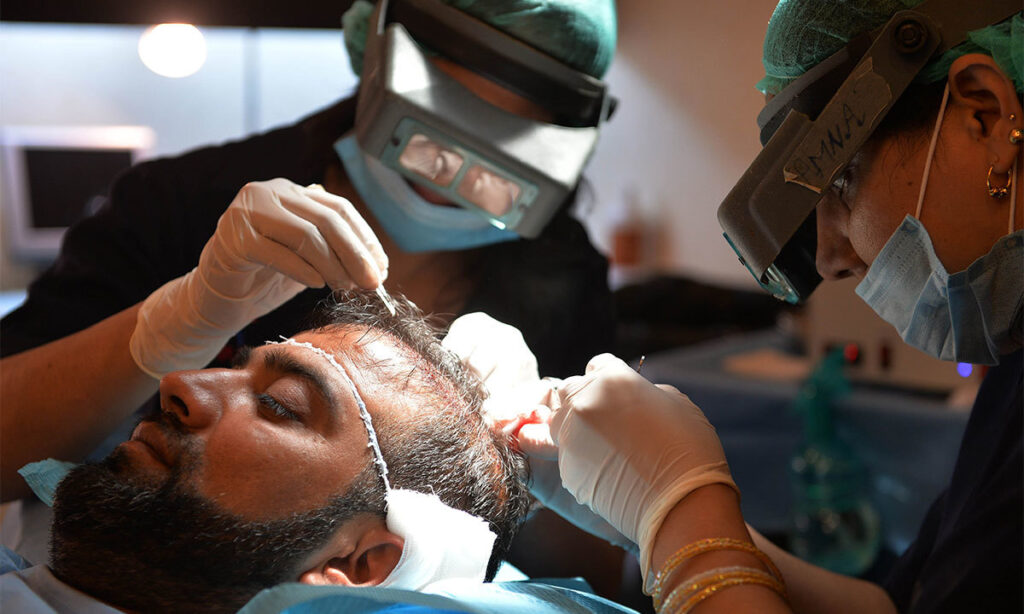
A prevalent issue affecting millions of individuals globally is hair loss. It can lower self-confidence and impact one’s overall quality of life. Hair transplant surgery is a popular and effective solution for those looking to restore their lost hair. With advancements in technology and medical practices, hair transplant procedures have become safer and more reliable.
In Pakistan, the demand for hair transplants has been on the rise, and many people are seeking this procedure to regain their lost hair. This article aims to explore the long-term effects of hair transplant in Pakistan and shed light on their benefits and potential risks.
The Procedure of Hair Transplant in Pakistan
Hair transplant surgery involves removing hair follicles from the donor site, usually the back of the head, and transplanting them to the balding areas of the scalp. There are two widely used techniques for hair transplants in Pakistan: Follicular Unit Transplantation (FUT) and Follicular Unit Extraction (FUE).
FUT is a traditional method that involves removing a strip of skin from the donor site, dissecting it into individual follicular units, and then implanting them into the recipient site. FUE, on the other hand, involves extracting individual follicular units directly from the donor site using a micro-punch tool and implanting them into the recipient site. Both procedures require local anesthesia and are performed under sterile conditions in specialized clinics or hospitals.
Benefits of Hair Transplant in Pakistan
1. Natural and Permanent Results:
One of the primary advantages of hair transplant surgery is that it provides natural-looking and permanent results. Since the transplanted hair is taken from the patient’s scalp, it matches the texture, color, and growth pattern of their existing hair.
2. Improved Self-confidence:
Hair loss can significantly affect a person’s confidence and sense of self. Hair transplant surgery can help individuals regain their lost hair, which often leads to enhanced self-confidence and a positive body image.
3. Low Maintenance:
Transplanted hair requires minimal maintenance as it can be treated and styled like natural hair. Patients can wash, cut, dye, and style their hair as they would with their original hair.
4. Cost-effective:
Hair transplant surgery may seem expensive initially, but it proves to be a cost-effective solution in the long run. Unlike temporary hair loss treatments, hair transplants offer a permanent solution, eliminating the need for ongoing treatments and expenses.
Long-Term Effects of Hair Transplant in Pakistan
1. Natural Hair Growth:
After a successful hair transplant surgery, the transplanted hair starts to grow naturally, usually within three to four months. The new hair will continue to grow permanently, just like the rest of the patient’s hair, without any further intervention.
2. Boosted Self-esteem:
One of the long-term effects of hair transplant surgery is a significant enhancement in self-esteem and self-image. Patients who have undergone successful hair transplants often report feeling more confident in both their personal and professional lives.
3. Improved Quality of Life:
Hair loss can have profound psychological effects, including increased stress, anxiety, and even depression. By addressing the underlying cause of hair loss and restoring natural hair, hair transplant surgery improves the overall quality of life for individuals experiencing hair loss.
4. Maintenance of Results:
While some shedding of transplanted hair may occur in the first few weeks after the procedure, the transplanted hair follicles are usually resistant to balding. This means that the transplanted hair retains its density and coverage over time, ensuring long-term results.
5. Age-Defying Effects:
Hair loss is often associated with aging. By restoring lost hair, hair transplant surgery can reverse the appearance of aging, making individuals look younger and more vibrant.
Risks and Considerations of Hair Transplant in Pakistan
1. Infection:
Like any surgical procedure, there is a risk of infection after a hair transplant surgery. However, the risk can be reduced with good hygiene and post-operative care.
2. Scarring:
While the scars resulting from FUT hair transplants can be easily concealed by surrounding hair, FUE has a lower risk of visible scarring. Nonetheless, proper techniques and skilled surgeons ensure minimal scarring and natural-looking results.
3. Over-harvesting of Donor Area:
It is essential to consider the long-term effects of donor hair harvesting. Over-harvesting of the donor area may lead to thinning or visible scars in the donor region. A skilled surgeon can ensure the correct extraction technique to prevent such issues.
4. Unrealistic Expectations:
Managing expectations is crucial in any hair transplant surgery. Patients should have realistic expectations and understand that hair transplant surgery can only restore a certain amount of hair density and coverage.
Conclusion:
Hair transplant surgery in Pakistan offers a permanent solution for individuals experiencing hair loss. It provides natural-looking results, improved self-confidence, and an enhanced quality of life. Overall, hair transplant surgery in Pakistan proves to be a reliable and effective solution for those seeking to restore their lost hair and regain their self-confidence.