
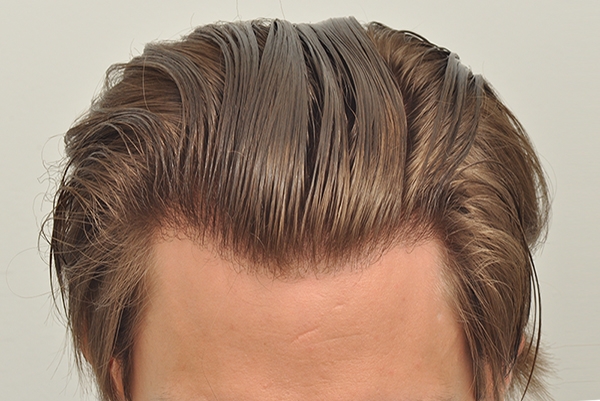
Hair loss is a common concern for many individuals, causing them to experience a loss of self-confidence and emotional distress. Over the years, numerous hair restoration techniques have emerged, but one procedure that has gained significant popularity is hair transplantation. Hair transplant is a surgical procedure that involves moving hair follicles from one part of the body, typically the back or sides of the head, to the areas with thinning or balding hair. This article explores the journey to hair rejuvenation through the wonders of hair transplant.
Understanding Hair Loss
Before delving into the details of hair transplantation, it is important to understand the causes of hair loss. Hair loss can be attributed to a variety of factors, including genetics, hormonal changes, nutritional deficiencies, and certain medical conditions. Male pattern baldness, also known as androgenetic alopecia, is the most common form of hair loss, affecting a significant number of men. For women, hair loss can occur due to factors such as hormonal imbalances, menopause, and post-pregnancy changes.
The Basics of Hair Transplantation
Hair transplantation is a sophisticated procedure that requires the expertise of a qualified surgeon. The process typically involves two primary methods: Follicular Unit Transplantation (FUT) and Follicular Unit Extraction (FUE). In FUT, a strip of hair-bearing skin is removed from the donor area, and the individual follicular units are dissected and transplanted into the recipient area. Both techniques have their advantages and suitability depending on the patient’s specific needs.
The Consultation Process
Embarking on a hair transplant journey begins with a thorough consultation with a hair transplant specialist. During this initial meeting, the surgeon will assess the patient’s hair loss condition, medical history, and expectations. They will also examine the donor area to determine the availability and quality of the hair follicles. This consultation serves as an opportunity for the patient to ask questions and gain a comprehensive understanding of the procedure, including potential risks and outcomes.
Preparation for the Procedure
Once the decision to undergo a hair transplant is made, the patient will receive detailed instructions on how to prepare for the procedure. These instructions may include avoiding blood-thinning medications, alcohol consumption, and smoking for a specified period before the surgery. Additionally, the patient may be advised to wash their hair thoroughly on the day of the surgery and avoid applying any hair products.
The Hair Transplant Procedure
On the day of the hair transplant procedure, the patient arrives at the clinic or hospital, and the surgical team prepares them for the surgery. The surgeon then begins the transplantation process, carefully extracting hair follicles from the donor area and transplanting them into tiny incisions made in the recipient area. The length of the procedure varies depending on the extent of hair loss and the number of grafts required.
Recovery and Post-Operative Care
Following the hair transplant procedure, the patient can expect some initial discomfort, such as mild swelling and soreness. The surgical team will provide specific post-operative instructions, including how to care for the transplanted area, medications to take, and when to schedule follow-up appointments. It is crucial to follow these instructions diligently to ensure optimal healing and hair growth.
Hair Growth and Results
After the hair transplant, the transplanted hair follicles enter a resting phase and shed within a few weeks. This is a normal part of the process, and new hair growth typically starts within three to four months. Over time
, the transplanted hair follicles continue to grow and blend in with the existing hair, resulting in a fuller and natural-looking head of hair. The final results can usually be seen within 12 to 18 months after the procedure.
Considerations and Expectations
While hair transplant surgery offers remarkable results for many individuals, it is important to set realistic expectations. Hair transplantation can significantly improve the appearance and restore lost hair, but it may not provide a complete reversal of hair loss. The success of the procedure also depends on factors such as the patient’s age, hair quality, and the extent of hair loss.
Hair transplant surgery has revolutionized the field of hair restoration, providing a viable solution for individuals struggling with hair loss. Through advanced techniques such as FUT and FUE, hair transplantation offers an effective and long-lasting solution to rejuvenate hair growth. By understanding the journey to hair rejuvenation, individuals can make informed decisions, consult with experts, and embark on a transformative experience to regain their confidence and achieve a fuller head of hair.