
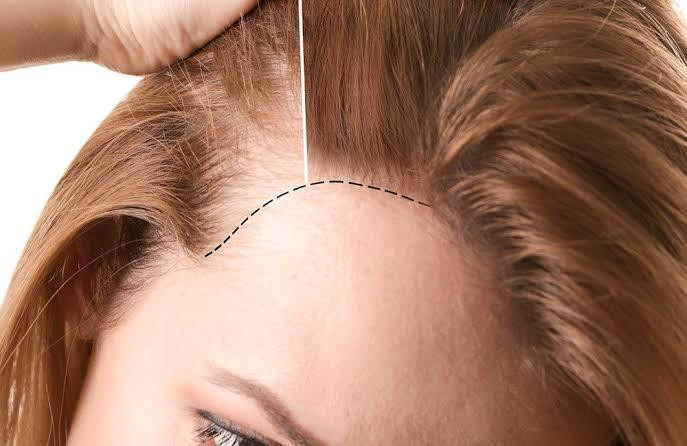
Hair loss is a common concern that affects both men and women. While hair loss in men is widely discussed, women also experience this issue and it can be equally distressing. Hair loss in women can have various causes, including hormonal imbalances, genetic factors, medical conditions, and lifestyle choices. Thankfully, advancements in medical technology have made hair transplant procedures a viable solution for women seeking to restore their hair and regain their confidence. In this article, we will explore the topic of hair transplant for women, discussing the procedure, benefits, considerations, and expectations.
Understanding Hair Transplant for Women
Hair transplant, also known as hair restoration surgery, is a surgical procedure that involves the extraction of hair follicles from one part of the body, typically the back of the head, and their transplantation to areas experiencing hair loss or thinning. The transplanted hair follicles continue to grow naturally in their new location, providing a permanent solution to hair loss.
Causes of Hair Loss in Women
Before considering a hair transplant, it is essential to identify the underlying cause of hair loss in women. Common causes include hormonal imbalances, such as polycystic ovary syndrome (PCOS), thyroid disorders, and menopause. Other factors may include genetics, stress, nutritional deficiencies, certain medications, and hairstyles that put excessive tension on the hair.
Hair Transplant Procedure for Women
The hair transplant procedure for women is similar to that for men. It typically involves the following steps:
a. Donor Area Selection: The surgeon identifies a suitable donor area, usually the back of the head, where healthy hair follicles are abundant. These follicles are resistant to hair loss and will continue to grow in their new location.
b. Follicle Extraction: The surgeon extracts individual hair follicles from the donor area using two main techniques: follicular unit extraction (FUE) or follicular unit transplantation (FUT). FUE involves extracting follicles one by one using a tiny punch tool, while FUT involves removing a strip of scalp containing hair follicles and then dissecting it into individual grafts.
c. Graft Preparation: The extracted hair follicles are carefully prepared under a microscope, ensuring their viability and quality for transplantation.
d. Recipient Site Creation: The surgeon creates tiny incisions in the recipient area, where hair loss or thinning has occurred. The incisions are strategically made to ensure natural hair growth patterns and aesthetic results.
e. Graft Placement: The prepared hair follicles are delicately placed into the recipient sites, considering the angle, direction, and density required to achieve a natural appearance.
Benefits of Hair Transplant for Women
a. Permanent Hair Restoration: Unlike temporary solutions like wigs or topical treatments, hair transplant surgery provides a permanent solution to hair loss. Once the transplanted hair follicles take root and begin to grow, they will continue to do so naturally.
b. Improved Self-Confidence: Hair loss can significantly impact a woman’s self-esteem. By restoring a full head of hair, a hair transplant can help women regain their confidence and feel more comfortable in social and professional settings.
c. Natural and Aesthetic Results: Skilled surgeons ensure that the transplanted hair blends seamlessly with existing hair, creating natural and aesthetically pleasing results. The hairline is meticulously designed to match the patient’s facial features and age.
Considerations and Expectations
a. Candidacy: Not all women are suitable candidates for hair transplant surgery. The surgeon will evaluate factors such as the extent of hair loss, donor hair availability, overall health, and expectations to determine candidacy.
b. Recovery and Healing: Following the procedure, there will be a healing period during which the transplanted hair follicles settle into their new location. Patients may experience minor discomfort, swelling, or redness, which typically subside within a few days to a week.
c. Hair Growth Timeline: It’s important to understand that hair growth after a transplant is a gradual process. It may take several months for the transplanted hair follicles to begin growing new hair. Full results are usually visible within 9 to 12 months.
d. Maintenance and Post-Procedure Care: While transplanted hair is permanent, it is crucial to maintain overall hair health to prevent further hair loss. Following the surgeon’s instructions regarding hair care, medication, and lifestyle changes is vital for long-term success.
Conclusion
Hair transplant surgery offers a promising solution for women experiencing hair loss, helping them restore their natural beauty and confidence. By understanding the causes of hair loss, the procedure itself, and the expectations involved, women can make informed decisions about pursuing a hair transplant. Consulting with a skilled and experienced hair transplant surgeon is the first step towards regaining a full and vibrant head of hair, enhancing both physical appearance and self-assurance