
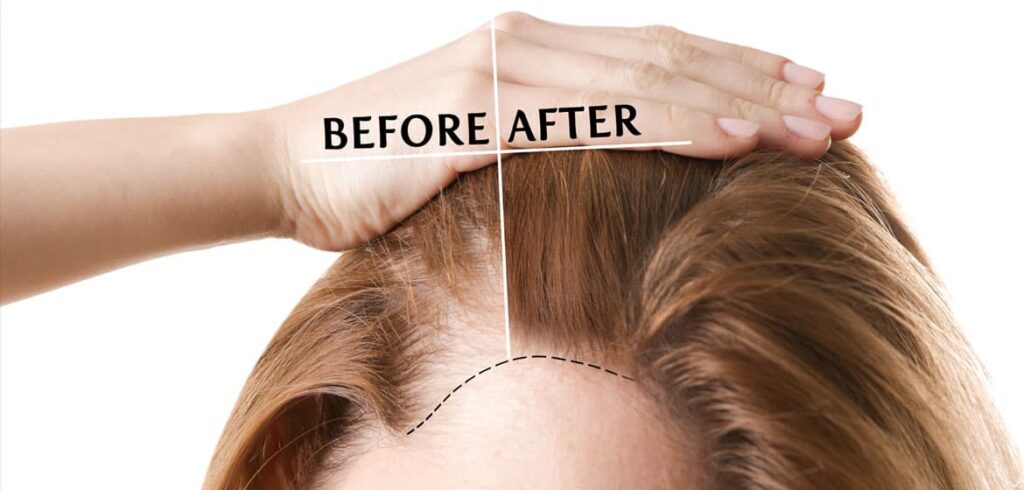
Hair loss in women can be different than in men. Women can experience hair loss due to hormonal changes, stress, aging, medication, and genetics. While there are many ways to cope with hair loss, such as using wigs and hair extensions, hair transplant surgery is becoming increasingly popular among women. In this article, we will discuss hair transplant surgery for women and what you need to know before considering this procedure.
Types of Hair Transplant Surgery for Women
Both methods involve removing hair follicles from the donor site and transplanting them to the recipient site. However, the techniques used to extract and transplant the hair differ.
Follicular Unit Extraction (FUE)
FUE is a minimally invasive hair transplant surgery that involves removing individual hair follicles from the donor site using a small punch tool. Because FUE does not require a large incision, it leaves minimal scarring and has a faster recovery time than FUT.
Follicular Unit Transplantation (FUT)
FUT is a more traditional hair transplant surgery that involves removing a strip of skin from the donor site and dissecting it into individual hair follicles. Because FUT requires a larger incision, it can leave a linear scar. However, it is generally more cost-effective than FUE.
How to Prepare for Hair Transplant Surgery
Before undergoing hair transplant surgery, there are a few things you can do to prepare:
- Avoid caffeine and alcohol for a few days before the surgery
- Stop taking medications that can thin the blood, such as aspirin and ibuprofen
- Follow your surgeon’s instructions on how to shampoo your hair before the surgery
During the surgery, the surgeon will use a small punch tool or scalpel to remove hair follicles from the donor site. The follicles will then be implanted into the recipient site. Once the surgery is complete, you may experience some swelling, bruising, and discomfort, but these symptoms are temporary and should subside within a few days.
Recovery and Aftercare
After the surgery, you will need to follow your surgeon’s instructions on how to care for your scalp. This may include:
- Keeping your head elevated for the first few days after the surgery
- Applying an ice pack to your scalp to reduce swelling
- Avoiding strenuous activities for a few days after the surgery
- Avoiding exposure to the sun and wearing a hat when outdoors
It is also important to avoid washing your hair for the first few days after the surgery, as this can dislodge the transplanted follicles.
Results and Risks
The results of hair transplant surgery can vary depending on the number of follicles transplanted and the skill of the surgeon. In most cases, it can take several months for the hair to grow back fully. However, once the hair has grown back, it should be permanent and look natural.
Cost of Hair Transplant Surgery
The cost of hair transplant surgery can vary depending on the number of follicles being transplanted, the location of the clinic, and the experience of the surgeon. In general, hair transplant surgery can be expensive, with some procedures costing upwards of $10,000 or more.
Conclusion
Hair loss can have a significant impact on a woman’s self-esteem and overall quality of life. While there are many ways to cope with hair loss, hair transplant surgery is becoming an increasingly popular option for women. Before considering this procedure, it is important to understand the different types of hair transplant surgery, who is a good candidate, and what to expect during and after the surgery. By doing so, you can make an informed decision about whether hair transplant surgery is the right option for you.