
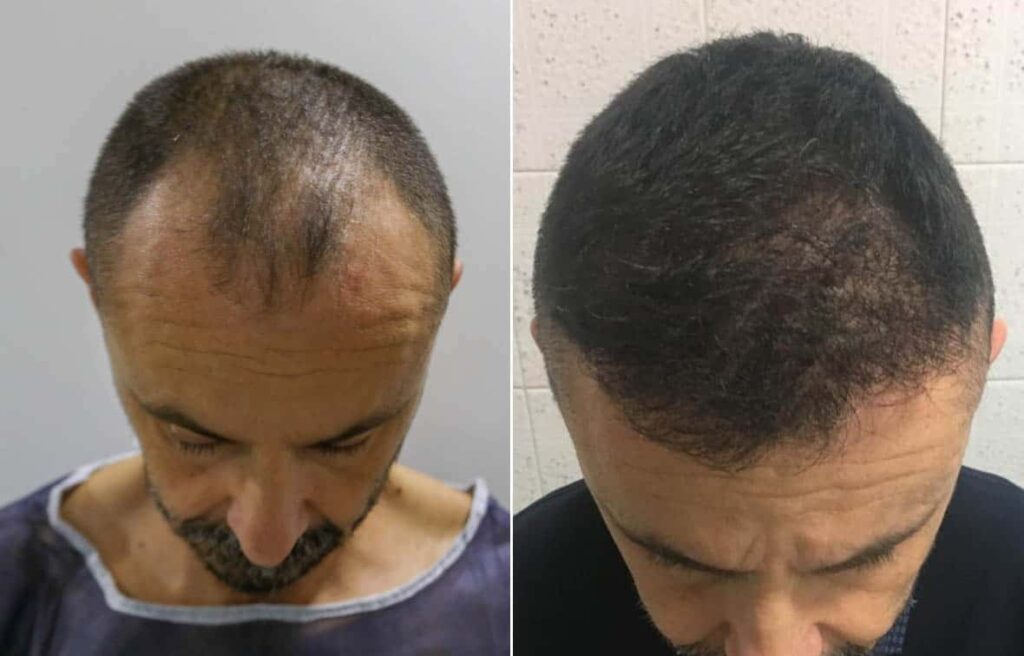
Losing one’s hair can be a traumatic experience. Whether it’s due to genetics, illness, or stress, hair loss can impact self-esteem and confidence. Fortunately, with advances in medical technology, hair transplant procedures are becoming increasingly common and effective. In this article, we will provide tips for before and after the hair transplant procedure.
Before the Hair Transplant Procedure
- Stop taking any herbal supplements or vitamins that may thin your blood.
- Avoid consuming foods or drinks that may thin your blood, such as coffee or aspirin, for a few days before the procedure.
- Get a good night’s sleep before the procedure to help reduce stress and promote healing.
- Arrange for someone to drive you home after the procedure, as you may be too tired or groggy to drive yourself.
After the Hair Transplant Procedure
- Use a neck pillow when sleeping to avoid accidentally rubbing or touching the transplanted area.
- Do not scratch or rub the scalp for at least a week after the procedure to allow time for healing.
- Avoid direct sunlight on the scalp for a few weeks after the procedure, as too much sun exposure can cause swelling and itching.
- Do not use any hair products or heat-styling tools for at least two weeks to avoid irritating the scalp and hair follicles.
- Try to reduce stress during the healing process, as stress can interfere with the body’s natural healing processes.
- Avoid smoking and drinking alcohol for a few weeks after the procedure, as they can impair healing and increase the risk of infection.
- Get regular follow-up appointments with the doctor to monitor progress and address any concerns or issues that may arise.
- Be prepared for some initial shock loss, as not all of the transplanted hair will necessarily survive and some of the existing hair may fall out due to the trauma of the procedure.
- Finally, be patient and don’t panic if the hair doesn’t immediately grow. It can take several months for the hair to start growing, and up to a year for full results to be seen.
Research the Procedure and the Doctor
Before undergoing a hair transplant, it is important to thoroughly research the procedure and the doctor who will be performing it. Look up reviews of the doctor and clinic online, and make sure they have the proper credentials and experience. Review before-and-after photos of previous clients to get an idea of what results you can expect.
Schedule a Consultation
Schedule a consultation with the doctor who will be performing the procedure. This will give you the opportunity to discuss your expectations and ask any questions you may have. The doctor will assess your hair loss and determine whether you are a good candidate for a hair transplant.
Quit Smoking and Drinking
If you smoke or drink alcohol, it is important to quit a few weeks before the surgery.
After the Hair Transplant Procedure
Take Time to Rest
The day of the procedure, it is important to take time to rest. Your doctor may recommend that you take a few days off work to allow your body to recover.
Avoid Physical Activity
For the first few days after the procedure, it is important to avoid physical activity that could cause sweating, such as exercise. Sweating can cause the hair grafts to dislodge.
Clean and Protect the Scalp
Your doctor will give you instructions on how to clean and protect your scalp after the procedure.
Avoid Certain Foods
For the first few days after the procedure, it is important to avoid spicy and greasy foods. These foods can increase inflammation and interfere with the healing process.
Be Patient
Hair transplant procedures take time, and it may take several months for you to see the full results. It is important to be patient and follow your doctor’s instructions for aftercare.
Conclusion
In conclusion, undergoing a hair transplant can be a life-changing experience for those suffering from hair loss. However, it is important to prepare for the procedure and follow proper aftercare instructions to ensure the best results. By doing your research, scheduling a consultation, and following your doctor’s instructions, you can get back your confidence and feel great about your appearance again.