
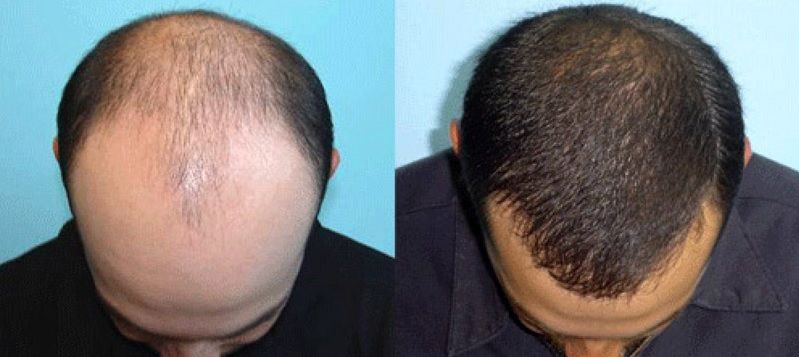
When it comes to addressing hair loss and seeking a solution for baldness, two common options are hair transplant and cosmetic hair patches. Both approaches have their merits and considerations, making it important to understand their differences.
This objective analysis aims to compare hair transplant and cosmetic hair patches in terms of effectiveness, cost, longevity, natural appearance, approach, and potential risks. By exploring these factors, individuals can make an informed decision based on their preferences, needs, and lifestyle.
Understanding Hair Transplant
Hair transplant is a surgical procedure that involves removing hair follicles from a donor site, typically the back of the head, and transplanting them to areas experiencing hair loss. This method utilizes the individual’s hair, ensuring a natural-looking result.
The process can be time-consuming and may require multiple sessions depending on the extent of hair loss. Hair transplant is considered a permanent solution, offering long-lasting results that grow naturally over time.
Exploring Cosmetic Hair Patch
A cosmetic hair patch, also known as a hairpiece or wig, is a non-surgical solution for hair loss. It entails applying adhesive or clips to the scalp to secure a customized hairpiece consisting of synthetic or real hair. Cosmetic hair patches offer a quick and temporary solution to address baldness or thinning hair.
They come in various styles, colors, and textures to match the individual’s natural hair. However, they require regular maintenance, adjustments, and replacement over time to maintain a seamless and natural appearance.
Effectiveness and Results
In terms of effectiveness, a hair transplant is considered the more permanent and long-lasting solution. The transplanted hair follicles take root and grow naturally, providing natural-looking results over time.
On the other hand, cosmetic hair patches offer immediate results, but they are temporary and require regular maintenance. A hair transplant provides a more natural and seamless solution for individuals looking for a permanent resolution to hair loss.
Cost Considerations
When comparing the cost of a hair transplant and a cosmetic hair patch, a hair transplant tends to have a higher upfront cost. This is due to the surgical nature of the procedure and the expertise required.
On the other hand, cosmetic hair patches are typically more affordable in the short term, but they require ongoing maintenance and replacement, which can accumulate costs over time. Individual budgets and long-term financial considerations play a significant role in determining the better option.
Longevity and Maintenance
A hair transplant offers a long-lasting solution as the transplanted hair follicles grow naturally and permanently. Once the transplanted hair starts to regrow, it requires minimal maintenance, similar to one’s natural hair.
In contrast, cosmetic hair patches require regular maintenance, cleaning, and occasional replacement. The longevity of a cosmetic hair patch depends on factors such as usage, care, and the quality of the hairpiece.
Natural Appearance
A hair transplant provides a more natural and seamless appearance since it uses the individual’s hair follicles, resulting in hair growth that blends in with existing hair. The transplanted hair grows gradually and matches the texture, color, and direction of the surrounding hair.
On the other hand, while cosmetic hair patches can look natural with proper selection and application, they may not offer the same level of integration as hair transplant.
Surgical vs Non-Surgical Approach
Hair transplant involves a surgical approach, requiring incisions and the transplantation of hair follicles. This procedure is generally safe, although it does carry some risks associated with surgery.
On the other hand, cosmetic hair patches offer a non-surgical approach, requiring no invasive procedures. This can be a more attractive option for individuals who prefer to avoid surgery or have medical conditions that may make surgery less suitable. Personal comfort and preference play a significant role in determining which approach is better.
Potential Risks and Side Effects
A hair transplant, being a surgical procedure, carries potential risks such as infection, scarring, bleeding, and numbness. However, these risks are relatively rare.
Cosmetic hair patches, on the other hand, have minimal risks, mainly related to allergic reactions to adhesives or discomfort due to improper fitting. It’s important to consult with professionals to understand the individual risks and side effects associated with each option before making a decision.
Personal Preferences and Lifestyle Factors
Determining which option is better, a hair transplant or a cosmetic hair patch greatly depends on personal preferences and individual lifestyle factors. Some individuals may prefer the permanent nature of hair transplant and the convenience of not having to regularly maintain or replace a hairpiece.
Others may opt for the flexibility and temporary nature of cosmetic hair patches, especially if they desire the ability to change hairstyles or have specific styling needs. Considering one’s lifestyle, daily activities, and overall preferences can help guide the decision-making process.
Consultation with Professionals
To make an informed decision and determine which option, hair transplant or cosmetic hair patch, is better for an individual, it is crucial to consult with professionals in the field of hair restoration.
They can assess the individual’s specific condition, review medical history, and provide expert advice tailored to their needs. Professionals can evaluate factors such as hair density, pattern of hair loss, and overall health to recommend the most suitable solution, considering factors such as effectiveness, cost, longevity, and personal preferences.
Conclusion:
In conclusion, determining whether a hair transplant or a cosmetic hair patch is better depends on individual needs, preferences, and factors such as cost, effectiveness, longevity, and maintenance. Consulting with professionals in the field can provide valuable guidance to make an informed decision that aligns with one’s goals, lifestyle, and desired outcomes.