
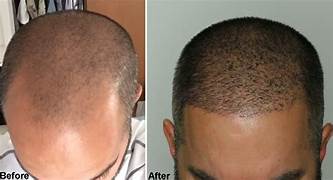
Before embarking on a hair transplant treatment, it is essential to prioritize accurate diagnosis. Hair loss can have various underlying causes, and determining the specific reason is crucial in selecting the most suitable treatment approach. Proper diagnosis enables medical professionals to identify candidacy for hair transplantation, manage expectations, and prevent potential complications.
By thoroughly understanding the nature of hair loss and considering the advice of experts, individuals can make informed decisions that will lead to effective and successful hair transplant treatments.
Understanding the Nature of Hair Loss
Understanding the nature of hair loss is crucial before choosing a hair transplant treatment. Hair loss can arise from various factors such as genetics, hormonal imbalances, medical conditions, or lifestyle habits. By accurately identifying the underlying cause, medical professionals can determine the most suitable treatment options.
This knowledge ensures that the chosen hair transplant technique addresses the specific needs of the individual, increasing the chances of successful restoration and long-term satisfaction. Without a proper understanding of the nature of hair loss, the chosen treatment may not effectively target the root cause, leading to suboptimal results.
Importance of Accurate Diagnosis
Accurate diagnosis plays a crucial role in choosing the right hair transplant treatment. It helps determine the underlying cause of hair loss, whether it’s genetic, hormonal, or due to other factors. This aids in tailoring a personalized treatment plan that addresses the specific needs of the individual.
A precise diagnosis ensures that the chosen treatment provides effective and long-lasting results, promoting successful hair restoration. Don’t overlook the significance of diagnosis when considering hair transplant options; it’s the key to achieving optimal outcomes.
Determining the Underlying Cause
Diagnosis is crucial before selecting a hair transplant treatment because it helps determine the underlying cause of hair loss. By identifying whether it’s due to genetics, hormonal imbalances, or other factors, the appropriate treatment can be chosen.
A precise diagnosis ensures that the hair transplant targets the root cause, maximizing its effectiveness. By addressing the underlying issue, individuals can expect more successful and satisfactory results from their hair restoration journey.
Identifying the Best Hair Transplant Technique
Diagnosis is vital before deciding on a hair transplant treatment as it helps identify the most suitable technique for the individual. Different hair loss cases may require different approaches such as Follicular Unit Transplantation (FUT) or Follicular Unit Extraction (FUE).
By accurately diagnosing the specific needs and conditions of the patient, the appropriate technique can be chosen, leading to optimal results and a successful hair transplant outcome.
Assessing Candidacy for Hair Transplantation
Diagnosis is essential before selecting a hair transplant treatment as it helps assess the individual’s candidacy for the procedure. Some factors, such as the extent of hair loss, the texture of existing hair, and overall scalp health, need to be evaluated to determine if a person is a suitable candidate.
By conducting a thorough diagnosis, hair specialists can determine if hair transplantation is a viable option or if alternative treatments should be considered for optimum results.
Avoiding Unnecessary Procedures
Diagnosis is crucial before deciding on a hair transplant treatment to avoid unnecessary procedures. By accurately assessing the cause and type of hair loss, individuals can avoid undergoing treatments that may not effectively address their specific condition.
A comprehensive diagnosis helps determine if alternative treatments or interventions, such as medication or lifestyle changes, may be more suitable and provide desired results without the need for invasive procedures. This approach ensures that individuals make informed decisions and avoid unnecessary risks and expenses.
Managing Expectations and Setting Realistic Goals
Diagnosis is essential before choosing a hair transplant treatment because it helps manage expectations and set realistic goals. By thoroughly assessing the individual’s hair loss condition, a hair specialist can provide a clear understanding of what can be achieved through the procedure.
This ensures that patients have realistic expectations regarding the outcome, potential hair density, and overall aesthetic improvements. A proper diagnosis allows individuals to make informed decisions and have a better understanding of the achievable results.
Conclusion:
In conclusion, a proper diagnosis is essential before undergoing hair transplant treatment. It can help to determine the cause of hair loss, the extent of hair loss, any underlying medical conditions, and the best type of donor hair for the patient. A diagnosis is the first step toward achieving successful hair transplant results.