
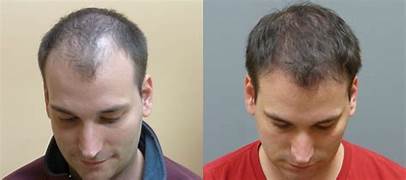
While there are various treatments available to address this issue, hair transplantation has emerged as a highly effective and popular solution for revitalizing thinning hair and restoring volume and density. This surgical procedure involves the transplantation of healthy hair follicles from a donor area to areas experiencing hair loss. In this conclusion, we will discuss the key points surrounding hair transplantation and its ability to provide long-lasting results for individuals seeking to regain a fuller head of hair.
This article will delve into the world of hair transplants and explore how they can revitalize thinning hair, restoring volume and density to create a natural-looking head of hair.
Understanding Hair Loss and Thinning:
Understanding the underlying factors that contribute to hair thinning and loss is absolutely necessary prior to pursuing hair transplant procedures. Many different things, including heredity, hormone shifts, nutritional deficiencies, stress, and medical disorders, can lead to thinning hair.
What is a Hair Transplant?
This procedure is typically performed on individuals who have experienced significant hair loss.
Procedures for Hair Transplantation:
Transplantation of Follicular Units (FUT):
Follicular Unit Transplantation, commonly known as strip harvesting, is removing a strip of scalp from the donor area and dissecting it into individual hair follicles. This procedure is also known as FUT. The surgeon then implants these follicles into the recipient area. FUT is ideal for patients requiring a large number of grafts and allows for a high hair density restoration.
Follicular Unit Extraction (FUE):
FUE is a more precise and minimally invasive technique, resulting in less scarring and a quicker recovery time compared to FUT.
Evaluating Candidacy for a Hair Transplant:
It is crucial to evaluate candidacy to ensure the best possible results. Consulting with a qualified hair transplant specialist is essential to assess candidacy accurately.
The Hair Transplant Procedure:
Pre-operative Planning:
Before the procedure, the surgeon will evaluate the donor and recipient areas, discuss the patient’s goals, and create a customized treatment plan. This involves determining the number of grafts required and designing the new hairline.
Donor Area Extraction:
In FUT, a strip of scalp is excised from the donor area under local anesthesia. The wound is then closed with sutures. In FUE, individual follicles are extracted using a punch tool.
Graft Preparation:
The extracted follicular units are carefully dissected under a microscope to obtain grafts of the desired size and quality. This step ensures the viability of the transplanted hair follicles.
Recipient Area Transplantation:
Using specialized instruments, the surgeon creates tiny incisions in the recipient area, considering the angle, direction, and density of natural hair growth. The harvested grafts are then meticulously placed into these incisions.
Post-operative Care:
Following the surgery, patients are given instructions on post-operative care, which may include taking medicine, refraining from engaging in physically taxing activities, and shielding the area that was transplanted from direct sunlight.
Patients should follow the surgeon’s instructions, including taking prescribed medications, avoiding strenuous activities, and adopting a healthy lifestyle to promote optimal hair growth and overall well-being.
Overall, hair transplantation can be an effective solution for individuals seeking to revitalize thinning hair and restore volume and density. With advancements in techniques and technologies, it offers a viable and long-lasting option for combating hair loss and improving self-confidence.
Recovery and Results:
Hair transplant recovery varies from person to person, but most patients can resume normal activities within a week. The transplanted hair initially falls out within a few weeks, but new hair growth typically begins within a few months. Over time, the transplanted hair follicles establish themselves, leading to significant improvements in volume and density.
The following are some of the advantages of hair transplantation:
Hair transplants have several advantages, including the following:
Natural Outcomes:
The goal of hair transplant treatments is to get outcomes that are imperceptible to the human eye and blend in with the patient’s current head of hair.
The transplanted hair will grow, shed, and renew in the same manner as natural hair would.
Permanent Solution:
The transplanted hair is resistant to balding, ensuring a long-term improvement in hair density.
Improved Self-Confidence:
Revitalizing thinning hair through a hair transplant can significantly boost self-confidence and self-esteem, allowing individuals to feel more comfortable in social and professional settings.
Minimal Downtime:
With advancements in techniques and technologies, hair transplants now offer minimal downtime and quick recovery, allowing patients to return to their regular activities sooner.
Conclusion:
By understanding the causes of hair loss and the intricacies of hair transplant procedures, individuals can make informed decisions to restore volume and density, regaining their confidence and a fuller head of hair. If you are considering a hair transplant, consult with a qualified specialist to explore the possibilities and embark on your journey towards revitalized hair.