
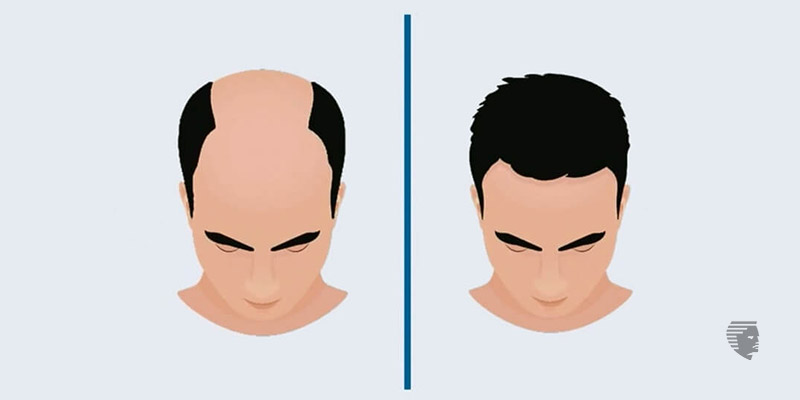
Various factors can cause hair loss, such as genetics, age, medication, and medical conditions. However, the good news is that there are many hair loss treatments available on the market today.
Two main types of hair loss treatments are medical and surgical. Medical treatments include medicines, shampoos, and creams, while surgical treatments comprise of hair transplant surgery. In this article, we will compare hair transplant with other hair loss treatments to help you make an informed decision.
Hair transplant surgery
Hair transplant surgery is a popular and reliable surgical procedure for treating hair loss. It involves harvesting hair follicles from the back or the sides of the head, which are genetically resistant to balding and transplanting them to the affected area. This procedure is safe, minimally invasive, and can produce natural-looking results.
Pros of hair transplant surgery
- Permanent results: One of the significant advantages of hair transplant surgery is that it provides a permanent solution for hair loss. Once the transplanted hair takes root and regenerates, it will remain for a lifetime.
- Natural-looking results: Hair transplant surgery can provide natural-looking results that match your hair type, density, and color.
- Low maintenance: Transplanted hair requires no special treatment or maintenance, and it can be washed and styled like natural hair.
Cons of hair transplant surgery
- Cost: Hair transplant surgery is an expensive procedure, and the cost varies depending on the surgeon’s expertise, location, and the number of grafts required.
- Recovery time: The recovery period after hair transplant surgery can be longer, and patients may experience swelling, bruising, and discomfort.
- Limitations: Hair transplant surgery may not be a viable option for individuals with severe hair loss or underlying medical conditions.
Topical treatments
Topical treatments are medical treatments that can help in the prevention of hair loss or stimulate hair growth. These treatments include shampoos, conditioners, lotions, and creams.
Pros of topical treatments
- Cost-effective: Most topical treatments are affordable and can be easily purchased over-the-counter.
- Minimal side effects: Topical treatments are generally safe to use with minimal side effects.
- Easy to use: Topical treatments are easy to apply and can be added to your daily grooming routine.
Cons of topical treatments
- Limited effectiveness: Topical treatments can be effective in mild cases of hair loss, but they may not provide significant results for moderate to severe hair loss.
- Slow results: It may take several months of continuous use before any visible results are seen.
- Long-term commitment: Topical treatments require long-term commitment, and discontinuing their use may result in a reversal of any effects.
Oral medications
Oral medications such as finasteride and minoxidil are commonly used to treat hair loss.
Pros of oral medications
- Effective: Oral medications have been shown to be effective in treating hair loss in men.
- Safe to use: Oral medications have been extensively studied and are generally safe to use.
Cons of oral medications
- Side effects: Some of the common side effects of oral medications include decreased sex drive, erectile dysfunction, and dizziness.
- Limited effectiveness: Oral medications may not provide significant results for women or those with advanced hair loss.
- Long-term commitment: Oral medications require long-term commitment, and discontinuing their use may result in a reversal of any effects.
Wigs and hairpieces
Wigs and hairpieces are non-surgical and non-invasive solutions for hair loss. They are available in different styles, colors, and textures and can be customized to your preferences.
Pros of wigs and hairpieces
- Immediate results: Wigs and hairpieces can provide immediate results and can be worn as soon as they are purchased.
- Customizable: Wigs and hairpieces are customizable and can be tailored to your preferences.
Cons of wigs and hairpieces
- Limitations: Wigs and hairpieces have certain limitations, such as the inability to participate in physical activities, swimming, and other water-related activities.
- Maintenance: Wigs and hairpieces require special care and maintenance.
- Cost: Wigs and hairpieces can be costly, and the cost may increase with customization.
Conclusion
Choosing a hair loss treatment can be overwhelming and confusing, with so many options available. It is important to weigh the pros and cons of each treatment and consult with a medical professional to determine the best treatment options for you.
Hair transplant surgery is a reliable and permanent solution for hair loss, while topical treatments and oral medications are cost-effective and easy to use. Wigs and hairpieces provide immediate results but have limitations and require special maintenance.