
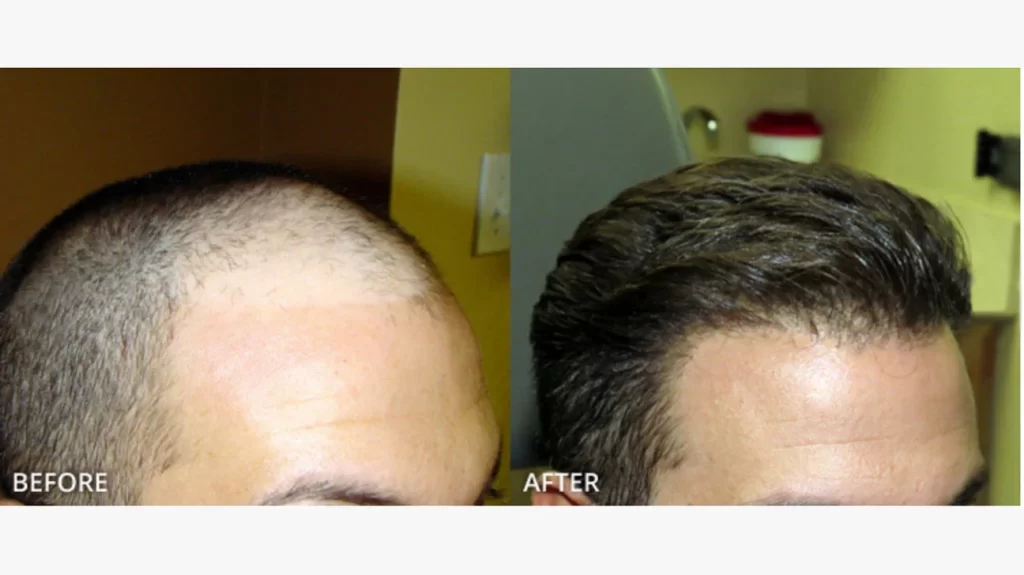
Hair loss can be a devastating experience, impacting self-esteem and confidence. With the recent advancements in hair restoration techniques, hair transplant has become a popular and effective solution for hair loss. However, many people are often uncertain about what to expect from hair transplant results. In this article, we will explore the truth about hair transplant results, what to expect, and how to achieve the best outcomes.
Understanding Hair Transplant Procedure
Hair transplant is a surgical procedure that involves removing hair follicles from the donor area (typically the back or sides of the head) and transplanting them to the recipient area (balding or thinning area). The two most common hair transplant techniques are Follicular Unit Extraction (FUE) and Follicular Unit Transplantation (FUT).
FUE
The extracted follicles are then transplanted to the recipient area using small incisions. FUE is preferred by many because it does not leave a linear scar and has a faster recovery time.
FUT
The hair follicles are then transplanted to the recipient area using small incisions. FUT is known for its ability to provide greater hair density in one session and is ideal for patients with advanced hair loss.
What to Expect from Hair Transplant Results
Hair transplant results can vary based on several factors, including the patient’s age, hair loss pattern, hair thickness, and the hair transplant technique used. However, here are some general expectations regarding hair transplant results.
Hair Growth
After the hair transplant procedure, the transplanted hair follicles will typically fall out within the first two to four weeks. This is a normal part of the process, and it is essential not to be discouraged as it is only temporary. After the hair falls out, new hair growth will begin to occur gradually. Patients typically start seeing results within three to six months after the procedure.
Natural-Looking Results
The ultimate goal of hair transplant is to achieve a natural-looking outcome. Hair transplant results should look natural and undetectable from the patient’s existing hair. A skilled hair transplant surgeon should consider the angle, density, and direction of the hair growth.
Scarring
A significant concern for some patients considering hair transplant surgery is the scarring. With FUT, there will be a linear scar in the donor area. However, the scar can be concealed by the existing hair. With FUE, there are tiny circular scars in the donor area, which can be difficult to detect unless the hair is shaved down entirely.
How to Achieve the Best Hair Transplant Results
The following tips will help achieve the best hair transplant results:
Choose a Skilled Hair Transplant Surgeon
The surgeon’s skill and experience significantly impact the hair transplant results. Look for a surgeon who specializes in hair restoration and has a good track record. Ask to see before and after pictures of patients who have undergone the procedure with them.
Follow Post-Op Instructions
Following the post-op instructions provided by the surgeon is crucial for optimal results. The patient should avoid strenuous activities that can cause sweating or rubbing on the scalp. The patient should also avoid exposing the transplant area to direct sunlight and protect the scalp from the sun with a hat or sunscreen.
Be Patient
Patience is key when it comes to hair transplant results. It is essential to remember that it takes time for hair to grow after a transplant. During this period, the patient should continue to follow the post-op instructions, eat a healthy diet and maintain a healthy lifestyle to maximize hair growth.
Consider Non-Surgical Hair Restoration Options
Non-surgical hair restoration options like PRP therapy and laser treatments can complement hair transplant results. These treatments can improve the growth and quality of hair and are suitable for patients who cannot undergo hair transplant surgery.
Conclusion
Hair transplant is a viable solution for hair loss, and understanding what to expect from the procedure is crucial for optimal results. The hair transplant technique, the skill of the surgeon, and the patient’s commitment to following post-op instructions all significantly impact the outcome. By choosing a skilled hair transplant surgeon, following post-op instructions, being patient, and considering non-surgical hair restoration options, patients can achieve natural-looking hair transplant results that improve self-confidence and self-esteem.